


Some 117 governments pledged to triple the world's renewable energy capacity by 2030 at the U.N.'s COP28 climate summit on Saturday, as a route to cut the share of fossil fuels in the world's energy production.
The pledge was among a slew of COP28 announcements on Saturday aimed at decarbonizing the energy sector - source of around three-quarters of global greenhouse gas emissions - that included expanding nuclear power, cutting methane emissions, and choking off private finance for coal power.
"This can and will help transition the world away from unabated coal," said COP28 President Sultan al-Jaber.
Led by the European Union, United States and UAE, the pledge also said tripling renewable energy would help remove CO2-emitting fossil fuels from the world's energy system by 2050 at the latest.
Backers on Saturday included Brazil, Nigeria, Australia, Japan, Canada, Chile and Barbados.
Backers including the EU and UAE want the renewable energy pledge included in the final U.N. climate summit decision, to make it a global goal. That would require consensus among the nearly 200 countries present.
The pledge also called for "the phase down of unabated coal power" and an end to the financing of new coal-fired power plants. It also included a target to double the global rate of energy efficiency by 2030.
Climate vulnerable countries insisted that the goals must be paired with a deal among countries at COP28 to phase out the world's use of fossil fuels.
"It is only half the solution. The pledge can't greenwash countries that are simultaneously expanding fossil fuel production," said Tina Stege, Climate Envoy for the Marshall Islands.
NUCLEAR NUDGE
More than 20 nations also signed a declaration on Saturday aiming to triple nuclear power capacity by 2050, with US climate envoy John Kerry saying the world cannot achieve "net zero" emissions without building new reactors.
"We are not making the argument that this is absolutely going to be the sweeping alternative to every other energy source," Kerry said during a launch ceremony at COP28.
"But ... you can't get to net-zero 2050 without some nuclear, just as you can't get there without some use of carbon capture, utilisation and storage," Kerry said.
Global nuclear capacity now stands at 370 gigawatts, with 31 countries running reactors. Tripling that capacity by 2050 would require a significant scaling up in new approvals - and finance.


 UAE leaders highlight youth's role central to nation's future
 UAE President meets Lulu founder Yusuff Ali during Abu Dhabi store visit
 UAE issues special coins to mark contribution of youth in country's progress
 Sharjah Ruler approves 470 scholarships for new academic year
 UAE continues mobile health clinic operations in Gaza
 UAE expands youth empowerment efforts across key sectors
 UAE authorities seize 3.5 million non-compliant excise goods
 Gargash highlights need to end region's 'indefinite' state
 UAE pays out AED512 million under unemployment insurance scheme
 UAE expresses support for Colombia after deadly earthquake
 UAE thwarts cyberattacks targeting aviation, energy and education sectors
 UAE's post-pandemic hiring recovery among world’s strongest
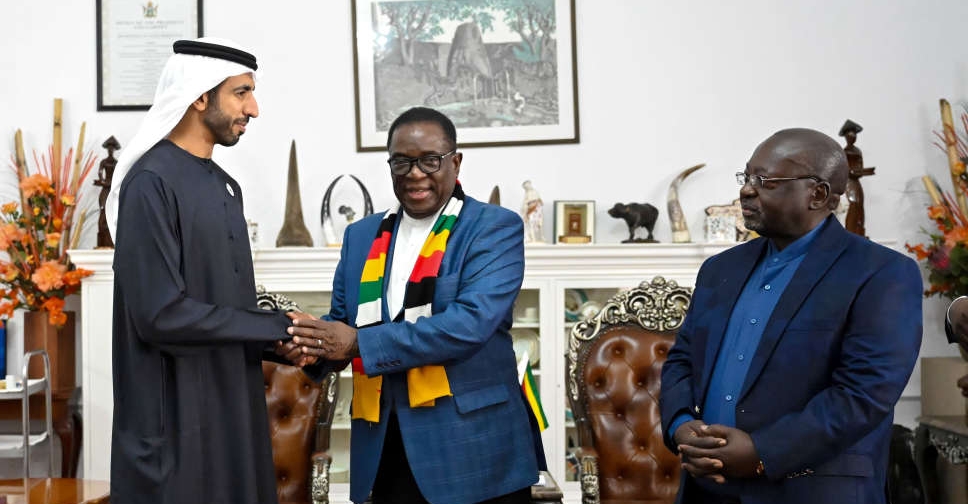 UAE Minister of State holds talks with President of Zimbabwe
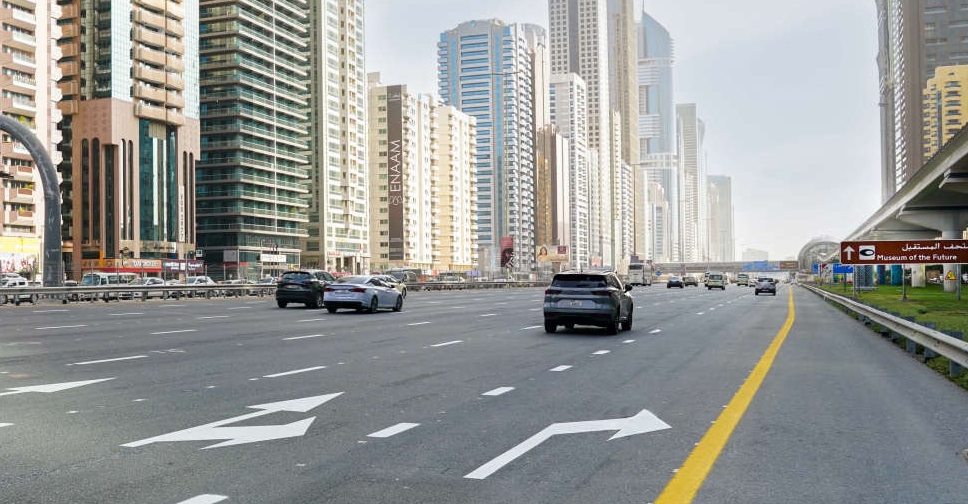 New lane on Sheikh Zayed Road to improve access to WTC intersection
 Nominations for first Dubai-it Award open August 10
 UAE convoys deliver 663 tonnes of aid to Gaza
 Irish authorities praise UAE over Daniel Kinahan extradition
 H.H. Sheikh Abdullah discusses regional developments with Kuwait FM
 Dubai using AI to cut building permit issuance from days to minutes
 ADNOC confirms vessel targeted by missile in Strait of Hormuz

