
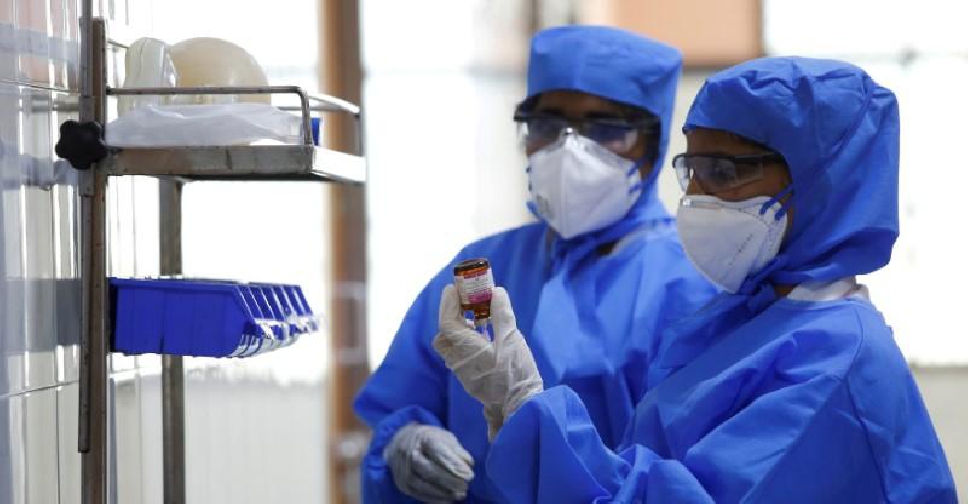
The National Biosecurity Committee, headed by the Ministry of Climate Change and Environment (MOCCAE), has released a new guide on the proper use of protective COVID-19 masks and clothing.
The Committee developed the "Unified National Guide for Personal Protective Equipment for Diseases and Pandemics" in cooperation with the Ministry of Health and Prevention, the Dubai Health Authority (DHA), and the Department of Health – Abu Dhabi (DoH).
It describes the characteristics and protection levels of various types of masks including medical, surgical, paper, and cloth.
In addition, it lists examples of activities during which people must wear masks, such as going to a store, pharmacy, or hospital, visiting a park with friends or relatives who do not live in the same household, taking public transportation, or walking in a high-density public area.
The guide, currently available in Arabic, outlines the basic specifications of masks, such as three-ply, disposable, anti-allergic, and latex- and fiberglass-free.
It also determines the tests to which masks must be subjected to ensure their effectiveness, including the Bacterial Filtration Efficiency (BFE) test, Particle Filtration Efficiency (PFE) test, breathing resistance test, and flammability test.
The publication goes on to explain the use of face shields. It recommends using them with masks, as they do not provide adequate protection from COVID-19 when worn alone. It states that face shields must be washed and disinfected using soap and sanitiser with at least 70 per cent alcohol.
As per the recommendation of the World Health Organization (WHO), the guide highlights the importance of washing and sanitising hands regularly and practicing stringent social distancing to achieve higher personal protection against diseases and pandemics.
It says scientific research has found that symptoms of respiratory illnesses develop on average five days after infection.
Therefore, patients who reduce their interaction with others by 75 per cent transmit the disease to 2.5 other people on average in 30 days, and those who reduce their interaction by 50 per cent transmit the disease to 15 other people in 30 days.
In contrast, patients who do not practice social distancing can infect as many as 406 people within the same period.


 Dubai to expand bus and taxi lanes as public transport ridership grows by 7.4%
 Emir of Qatar welcomed by UAE President on visit to Abu Dhabi
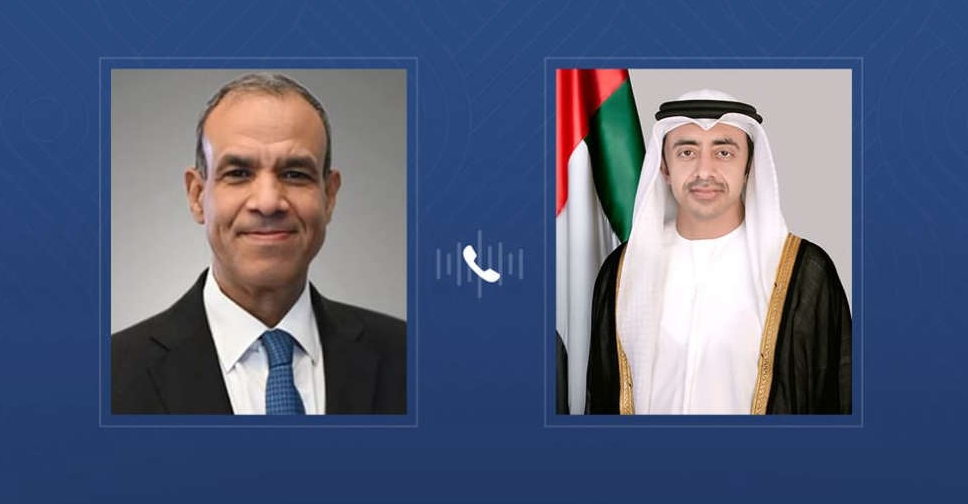 UAE, Egypt Foreign Ministers discuss Gaza peace plan
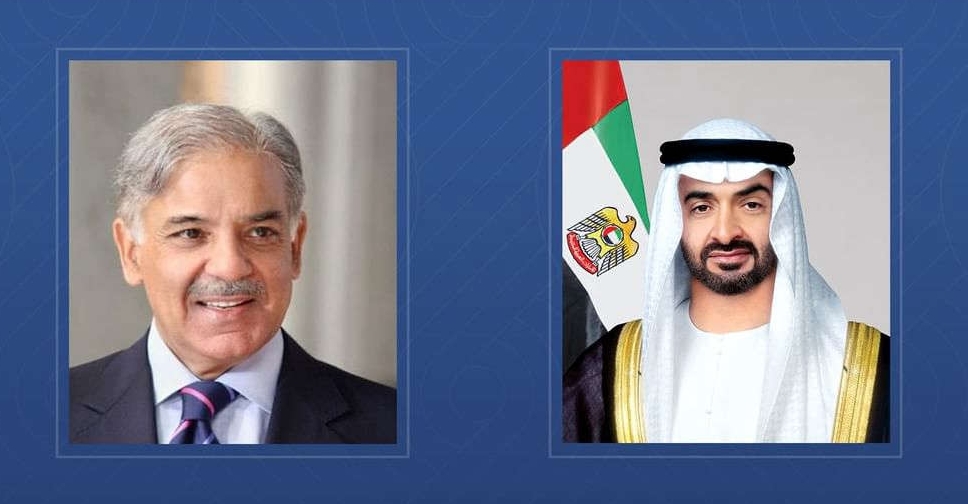 UAE, Pakistan leaders discuss boosting economic ties
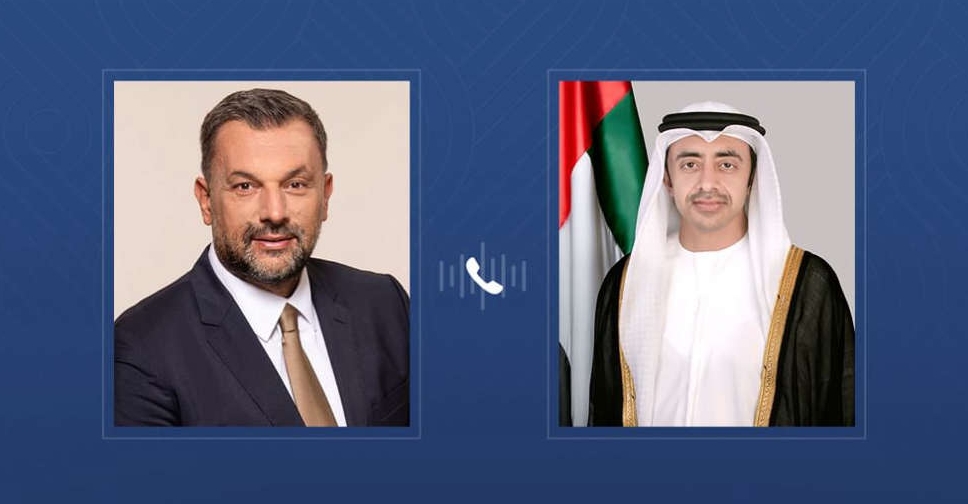 UAE, Bosnia FMs discuss strengthening bilateral relations
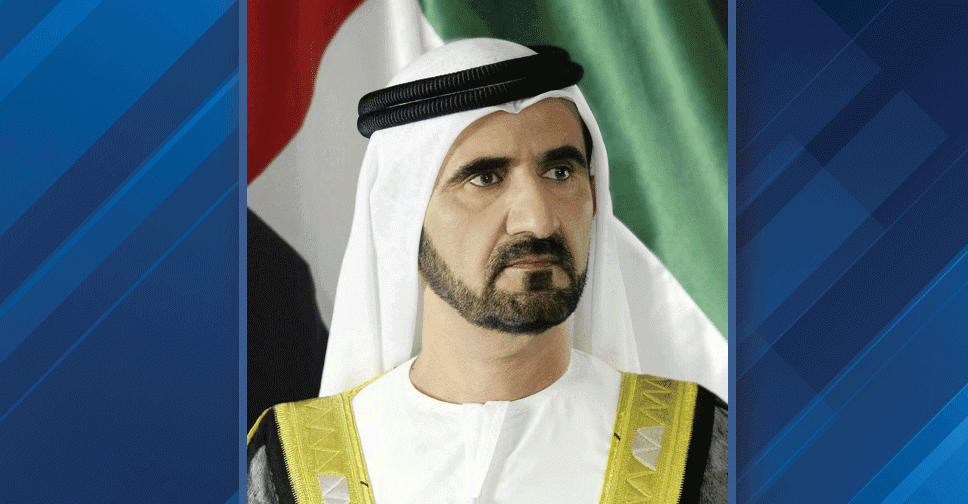 H.H. Sheikh Mohammed launches campaign to rescue 5 million children from hunger
 Dubai advances measures to support people of determination
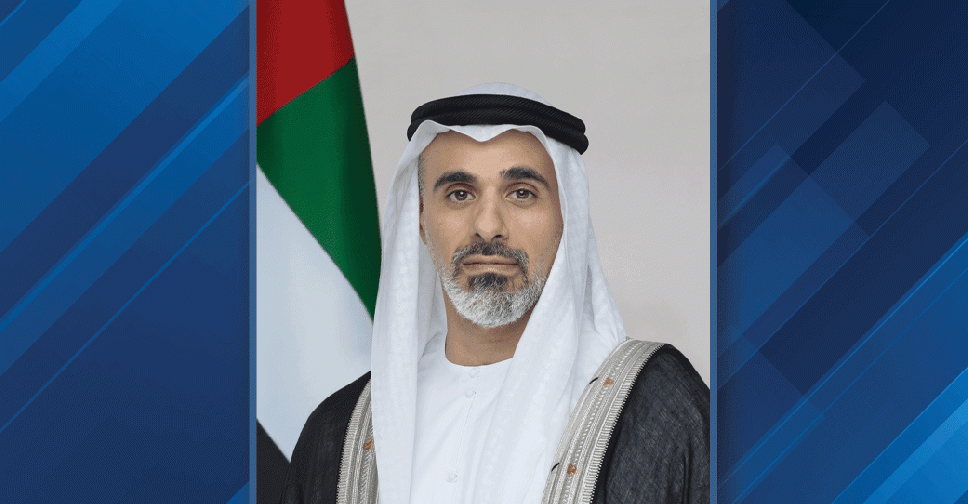 Abu Dhabi Crown Prince to lead UAE delegation at AI Impact Summit in India
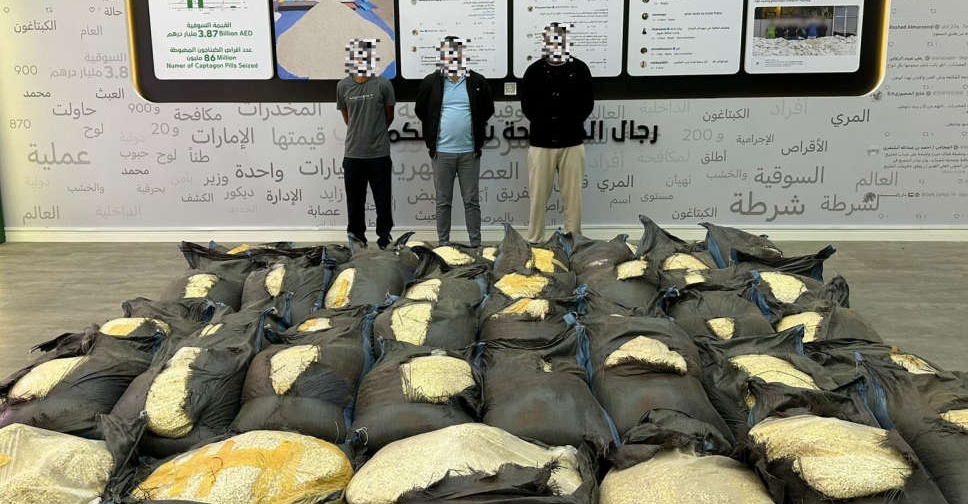 Over 14 million Captagon pills, hidden in grain sacks, seized in UAE–Kuwait operation
 Remote learning on Fridays during Ramadan for UAE public schools
 UAE clarifies enrollment rules for British curriculum schools
 UAE announces temporary road closures in Al Dhaid
 Umm Al Emarat aid ship sets sail for Gaza Strip
 UAE announces Ramadan working hours for private sector
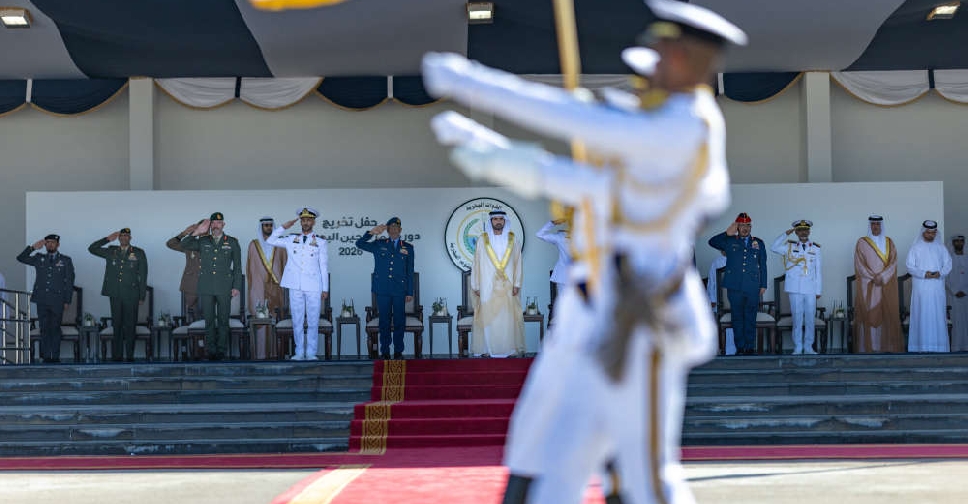 H.H. Sheikh Hamdan highlights nation’s defence vision at naval college ceremony
 Members of UAE's National Identity Committee unveiled
 Ramadan working hours confirmed for UAE public sector
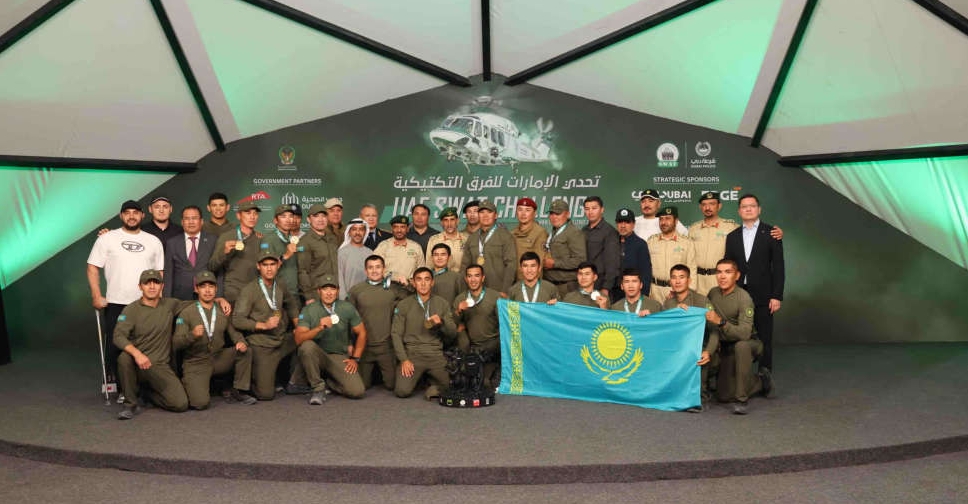 Kazakhstan crowned champions of UAE SWAT Challenge 2026
 H.H. Sheikh Mohammed attends final day of UAE SWAT Challenge
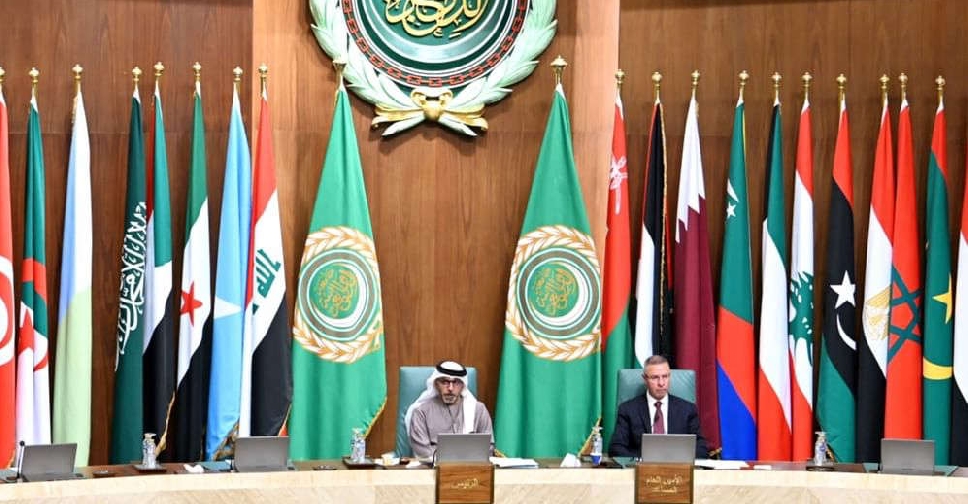 UAE chairs Arab League emergency meeting on Israeli settlement expansion

