
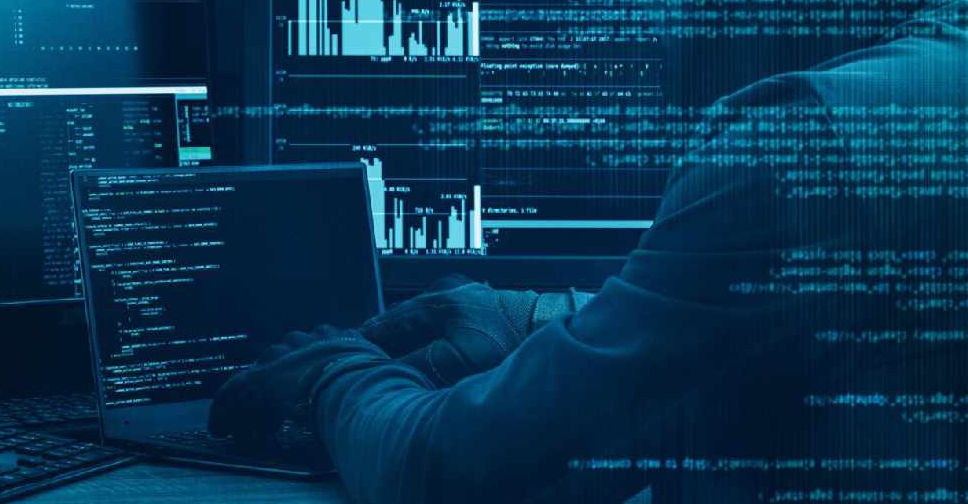
With cases of cybercrime ever-present locally and internationally, there are calls for greater information literacy among consumers, before handing over their personal data.
As retail market share steadily moves in the direction of online traders, the risk of cybercrimes also increases.
Speaking exclusively to ARN News, lawyer Habib Saeed, a data protection specialist and senior associate at Squire Patton Boggs, shared tips on how to be a savvier online shopper.
While companies should have security procedures in place, the onus is on consumers as well.
"It's certainly important for companies to have those protocols in place but it's also important for consumers to make sure that when they share their email addresses or their personal information they're making sure they do that with a reliable third-party source," he highlighted.
 The most important element is to read any fine print on the site that relates to how personal information is used, in the disclaimer, privacy statement, or consent form.
"Really look into the detail of that consent notice, whether it specifies what that purpose of the data request is for, how long the data will be kept, where it will be stored, who it will be shared with," explained Saeed.
These aspects form part of the new UAE Data Protection Law, which came into force on January 2 but is yet to be fully implemented.
"Once they are published, companies will have six months to bring their standards into line with the requirements of that law," said Saeed.
TIPS FOR CONSUMERS
-
Read privacy notices, consent forms at point of sharing information to gain clear awareness of the implications of sharing data in order to make an informed decision
-
Have a solid password as your first line of defence: not a pet's name, or a birthday or 'pa55word'. Ideally a mix of letters and digits and punctuation. Biometrics will become more common in the future
-
Think twice before you click on any email links; it's quite common to accidentally download malware that comes from clicking on links and opening attachments, it's one of the most common forms of cyberhacking
-
Be cautious, if emails don't look legitimate then question them, especially if the timing isn't expected
-
Hackers are becoming more sophisticated, they'll look at where an individual works to target them, or look at any public records that show online memberships or subscriptions they are subscribed to and send links to exploit this
- From a work perspective, contact your IT department if any fraud has occurred, or from a consumer perspective, contact the authorities, as there is a very comprehensive cybercrimes unit in the UAE


 UAE commends Kuwait’s vigilance in foiling terrorist plot
 Public invited to help shape UAE gender balance strategy
 UAE strongly condemns Iranian attack on ADNOC vessels
 Arab nations condemn Iranian attack on ADNOC tankers
 2 ADNOC vessels attacked in Strait of Hormuz
 Abu Dhabi shuts down cafe over food safety violations
 Dubai Police warn of cyber threats on gaming platforms
 UAE allocates $10 million for Colombia earthquake relief
 Dubai Humanitarian launches air bridge to deliver vital aid to Gaza
 UAE reaffirms solidarity with Colombia after earthquake
 Dubai Fitness Challenge returns for another exciting edition
 UAE President, King of Bahrain discuss stronger ties and regional stability
 UAE-built AI satellite Altair-1 heads to US ahead of October launch
 New bridge to cut travel time from DWTC to Al Mustaqbal Street
 UAE Floating Hospital fits prosthetic limbs for 21 more Palestinian amputees
 UAE, DR Congo Presidents discuss strengthening cooperation under CEPA
 UAE leaders highlight youth's role central to nation's future
 UAE highlights flexible, skills-based education model at BRICS meeting
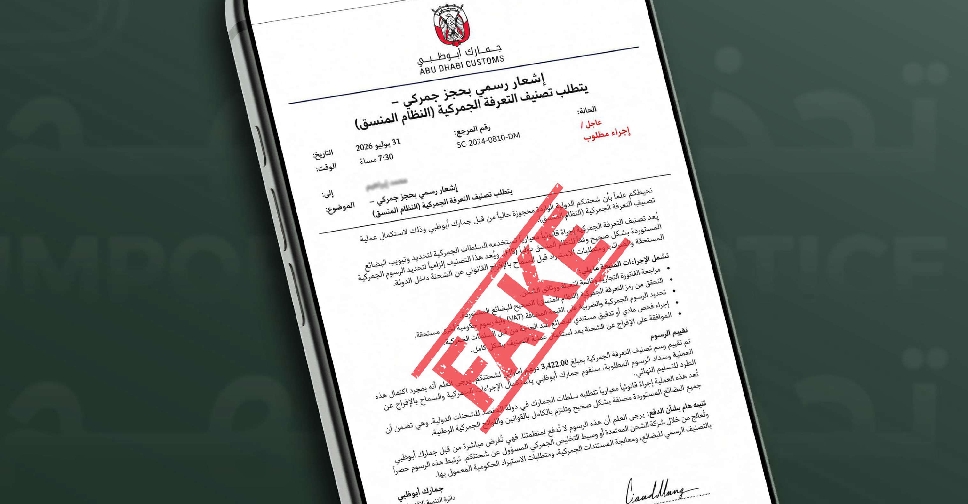 Abu Dhabi Customs raises alert over fraudulent messages
 UAE President meets Lulu founder Yusuff Ali during Abu Dhabi store visit

