
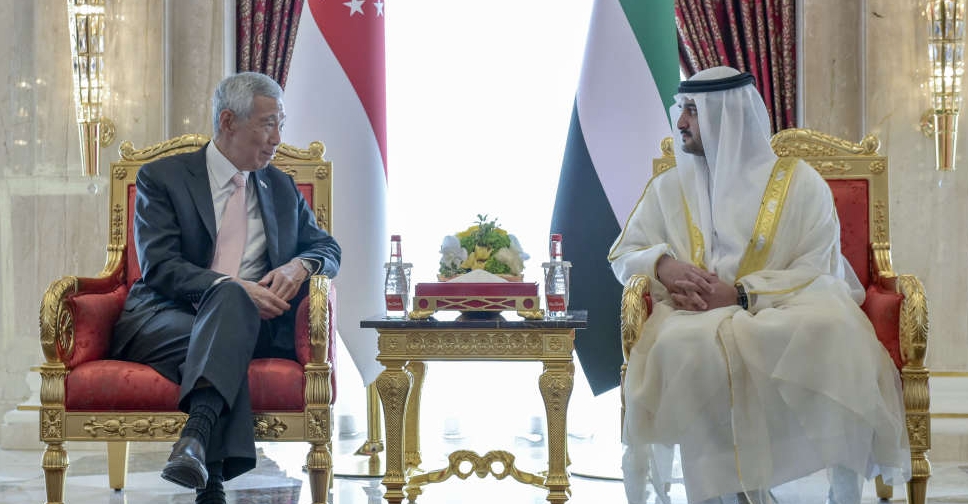
His Highness Sheikh Maktoum bin Mohammed bin Rashid Al Maktoum, First Deputy Ruler of Dubai and Deputy Prime Minister and Minister of Finance, held talks with Singapore's Prime Minister Lee Hsien Loong in Dubai's Za'abeel Palace on Sunday.
Sheikh Maktoum highlighted the robust cooperation shared between the two nations across the economic spectrum and looked at ways to further strengthen partnership in sectors key to shaping the future including energy, advanced technology, digital transformation, manufacturing, research and development and innovation.
The two sides emphasised the importance of intensifying efforts to exchange expertise in sectors like investment, trade and tourism and touched on the prospects for stronger ties within the framework of expanding GCC-ASEAN cooperation.
They also discussed the need to bring climate action to the centre of every development plan, with special focus on the upcoming COP28 in Dubai.
In 2019, the two countries signed the Singapore-UAE Comprehensive Partnership (SUCP), a framework aimed at deepening existing areas of cooperation and exploring new areas of mutual benefit and interest such as trade, industry and investment, financial cooperation, education, human resources development, sustainable development and energy.


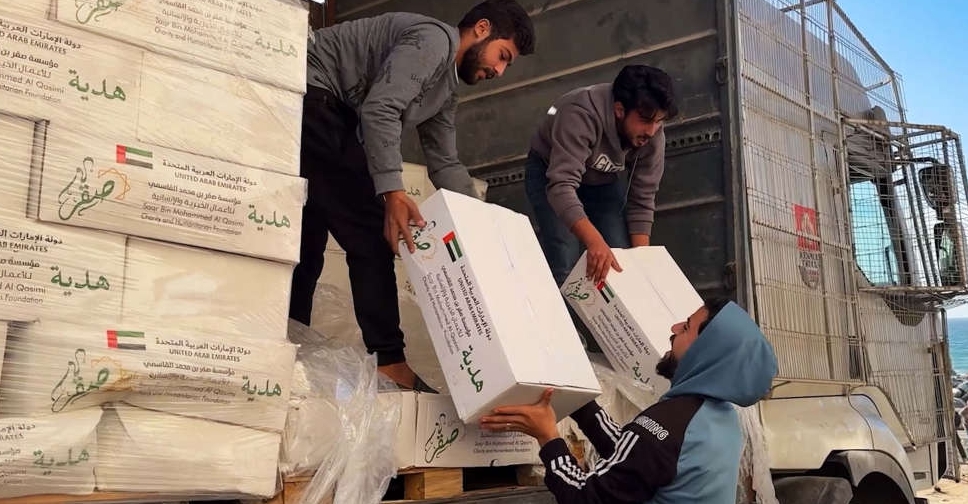 Distribution of aid from UAE's Saqr Humanitarian Ship begins in Gaza
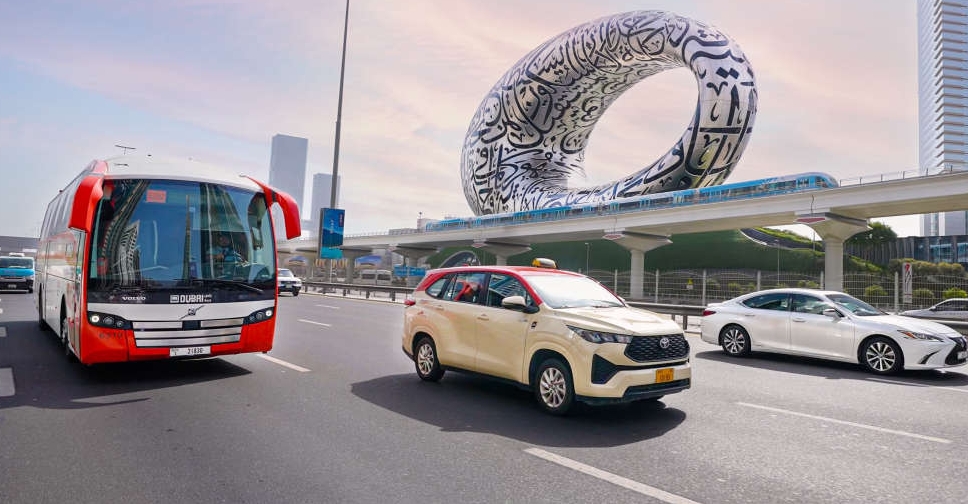 Dubai to expand bus and taxi lanes as public transport ridership grows by 7.4%
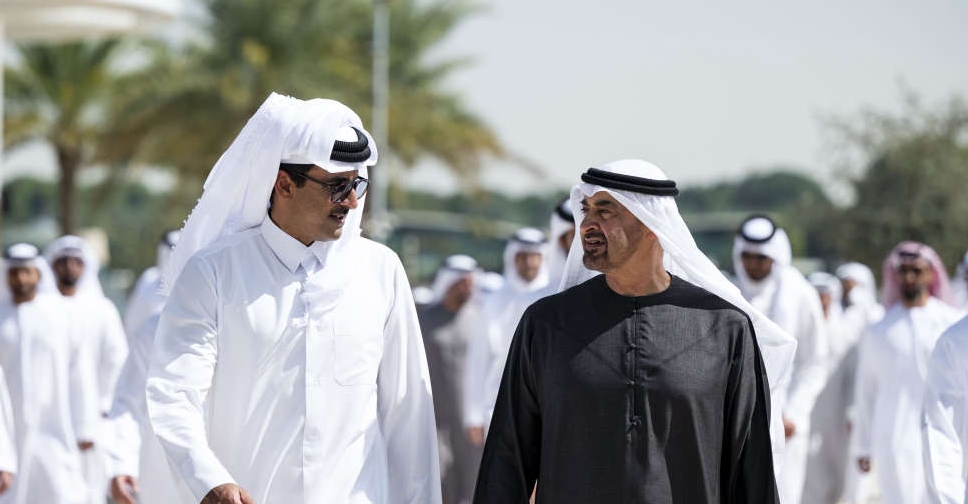 Emir of Qatar welcomed by UAE President on visit to Abu Dhabi
 UAE, Egypt Foreign Ministers discuss Gaza peace plan
 UAE, Pakistan leaders discuss boosting economic ties
 UAE, Bosnia FMs discuss strengthening bilateral relations
 H.H. Sheikh Mohammed launches campaign to rescue 5 million children from hunger
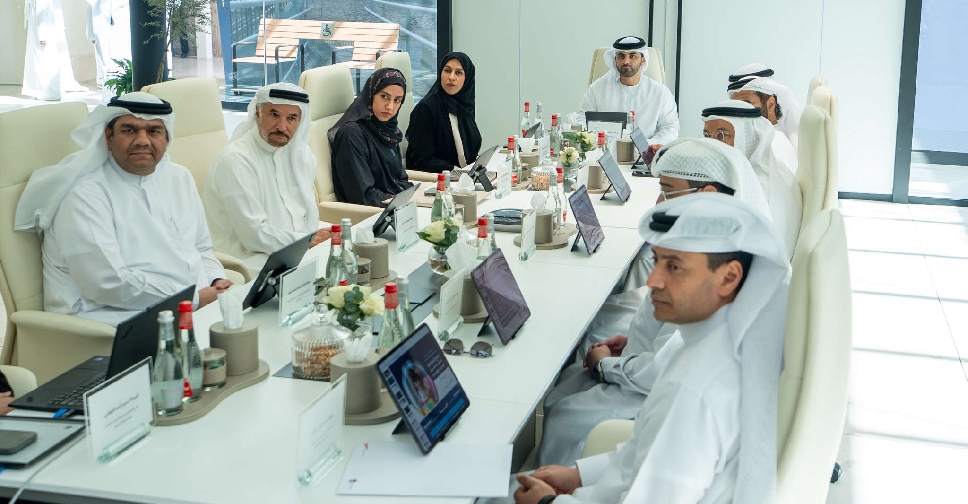 Dubai advances measures to support people of determination
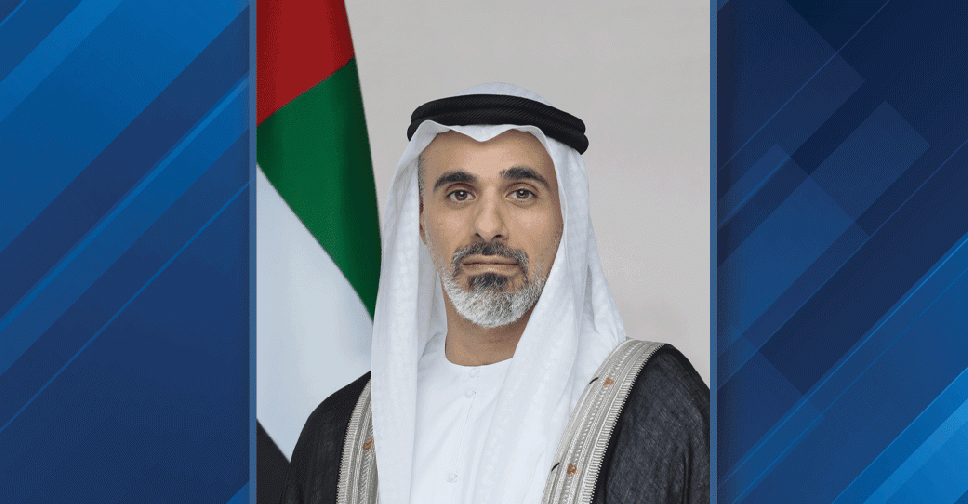 Abu Dhabi Crown Prince to lead UAE delegation at AI Impact Summit in India
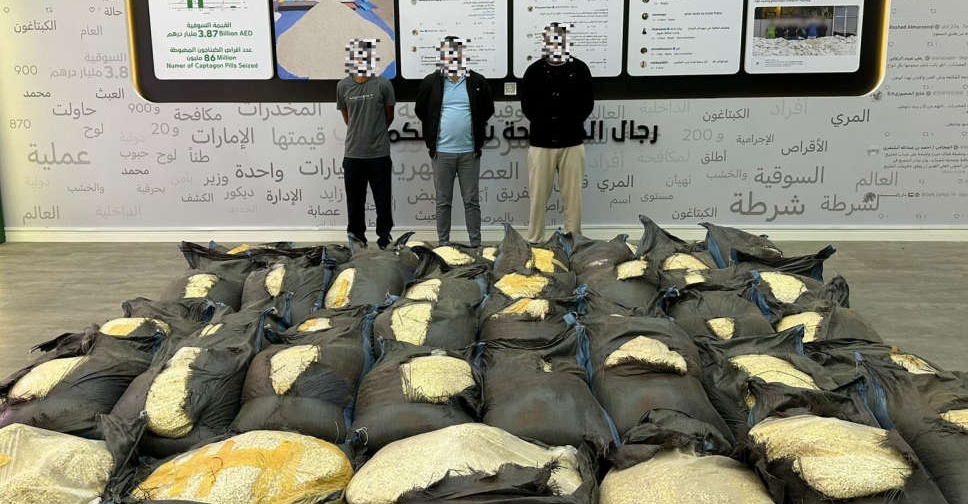 Over 14 million Captagon pills, hidden in grain sacks, seized in UAE–Kuwait operation
 Remote learning on Fridays during Ramadan for UAE public schools
 UAE clarifies enrollment rules for British curriculum schools
 UAE announces temporary road closures in Al Dhaid
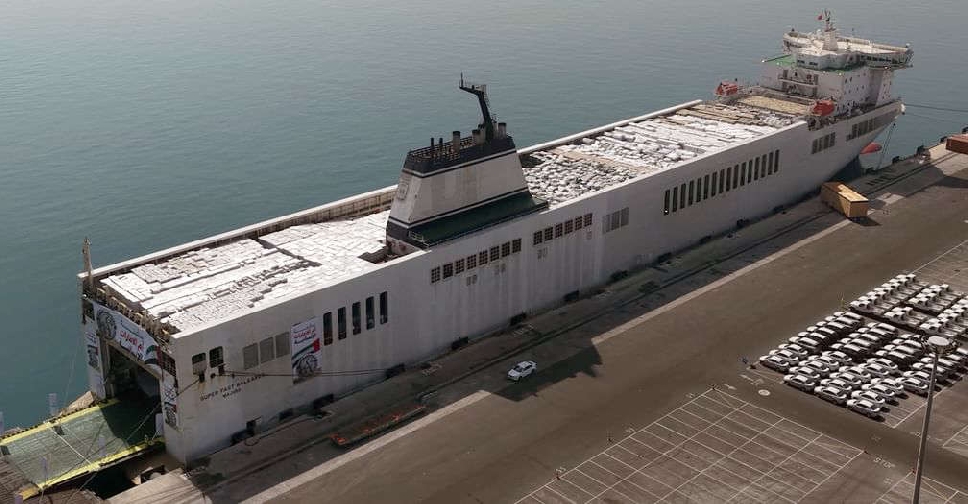 Umm Al Emarat aid ship sets sail for Gaza Strip
 UAE announces Ramadan working hours for private sector
 H.H. Sheikh Hamdan highlights nation’s defence vision at naval college ceremony
 Members of UAE's National Identity Committee unveiled
 Ramadan working hours confirmed for UAE public sector
 Kazakhstan crowned champions of UAE SWAT Challenge 2026
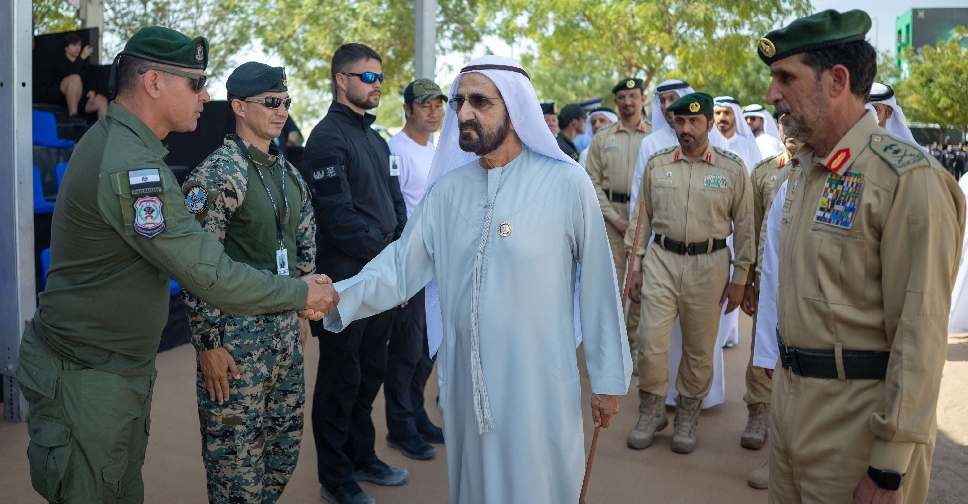 H.H. Sheikh Mohammed attends final day of UAE SWAT Challenge

