

Authorities in Socotra Island in Yemen have burnt two tonnes of Qat, a mild narcotic drug popular in the country, and banned its use after a shipment was seized from smugglers. They were trying to defy last week’s ban by the governor of the island, who says the drug is now prohibited due to the health risks and financial consequences of its use. The national pastime has survived the last few years of turmoil in Yemen, including the war involving air and ground forces from the Saudi-led Arab coalition. Yemenis tend to chew Qat in the afternoon, with sessions lasting all evening producing hallucinogenic effects. Its use is seen by some as socially unacceptable because it reduces productivity and weakens finances.

 Dubai to expand bus and taxi lanes as public transport ridership grows by 7.4%
 Emir of Qatar welcomed by UAE President on visit to Abu Dhabi
 UAE, Egypt Foreign Ministers discuss Gaza peace plan
 UAE, Pakistan leaders discuss boosting economic ties
 UAE, Bosnia FMs discuss strengthening bilateral relations
 H.H. Sheikh Mohammed launches campaign to rescue 5 million children from hunger
 Dubai advances measures to support people of determination
 Abu Dhabi Crown Prince to lead UAE delegation at AI Impact Summit in India
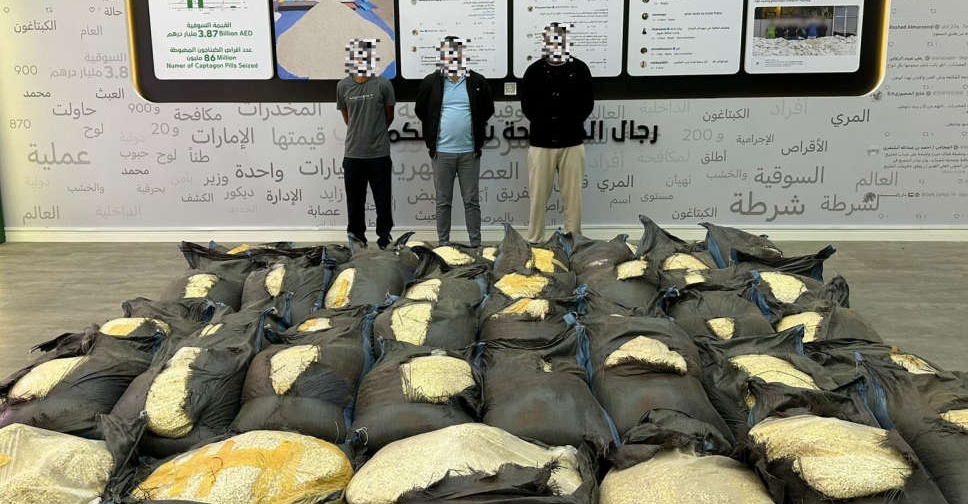 Over 14 million Captagon pills, hidden in grain sacks, seized in UAE–Kuwait operation
 Remote learning on Fridays during Ramadan for UAE public schools
 UAE clarifies enrollment rules for British curriculum schools
 UAE announces temporary road closures in Al Dhaid
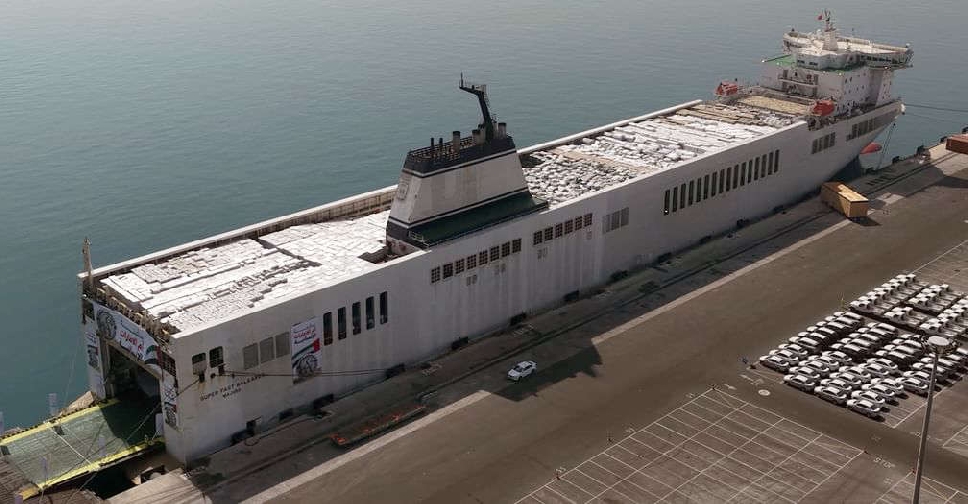 Umm Al Emarat aid ship sets sail for Gaza Strip
 UAE announces Ramadan working hours for private sector
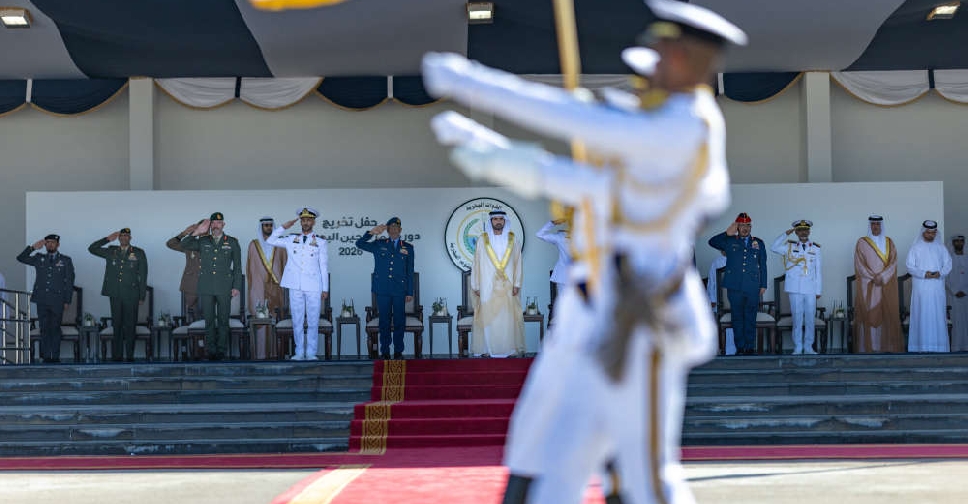 H.H. Sheikh Hamdan highlights nation’s defence vision at naval college ceremony
 Members of UAE's National Identity Committee unveiled
 Ramadan working hours confirmed for UAE public sector
 Kazakhstan crowned champions of UAE SWAT Challenge 2026
 H.H. Sheikh Mohammed attends final day of UAE SWAT Challenge
 UAE chairs Arab League emergency meeting on Israeli settlement expansion

