
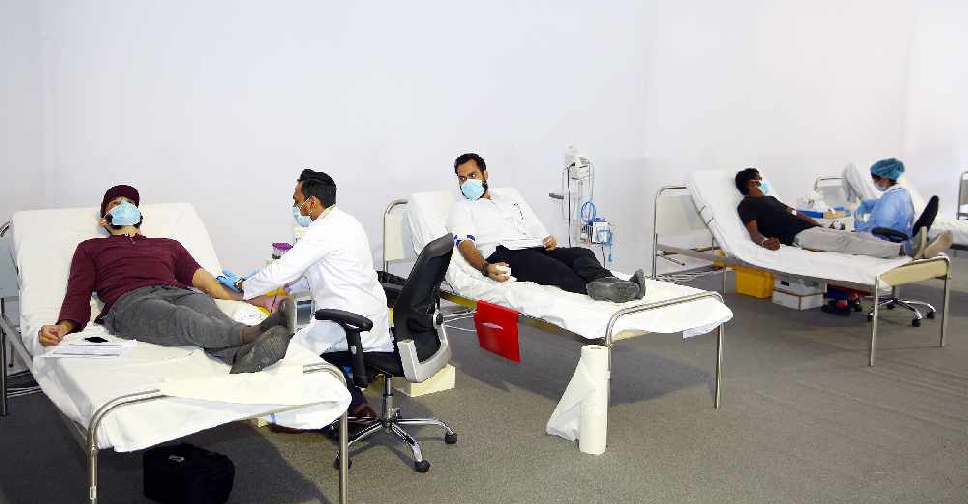
The Dubai Blood Donation Centre has received more than 41,000 donors in 2020.
That's according to the Dubai Health Authority, which revealed that a fixed blood donation tent has been set up next to the centre to ensure that social distancing guidelines are being followed.
A total of 42,493 blood units were issued, out of which 26,959 blood units were distributed to DHA hospitals, from the beginning of the year until August 18.
Meanwhile, over 15,540 units were issued to private hospitals across the emirate.
According to health officials, Dubai provides around 50 per cent of the total blood collected throughout the country.
Dr Farida Al Khaja, CEO of DHA’s Clinical Support Services and Nursing Sector said, "The tent can smoothly process 70 -250 donors a day. The centre has a spacious waiting area and post-donation refreshment area. It is equipped with 12 beds and modern medical equipment. It also has a personal sanitisation tunnel, thermal camera and follows a frequent cleaning policy for beds and surfaces after each donor."
The Dubai Blood Donation Centre strives to ensure that there is a sufficient supply of blood available for patients in need by implementing best practices in order to enhance the safety of blood transfusion.


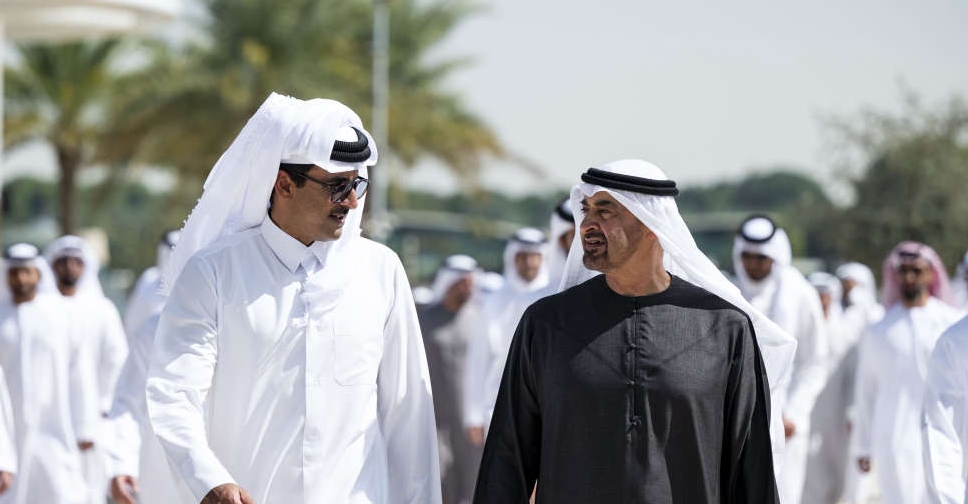 Emir of Qatar welcomed by UAE President on visit to Abu Dhabi
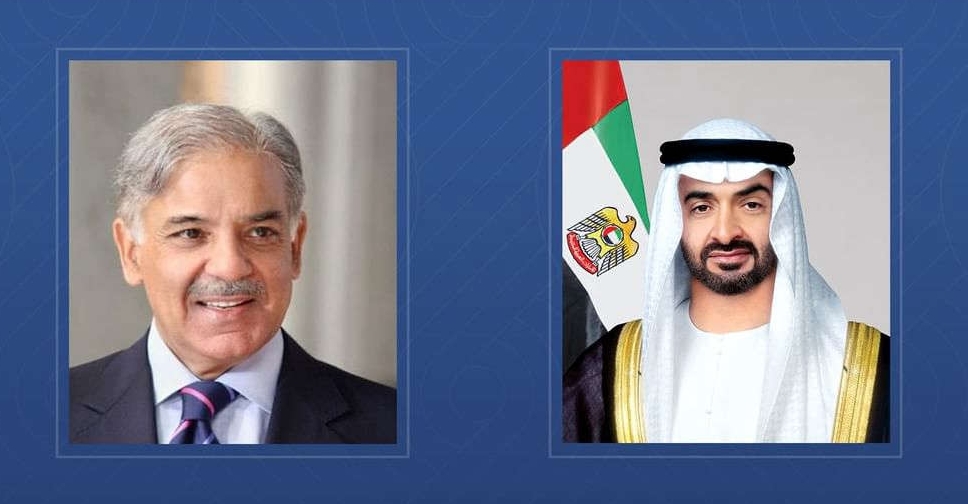 UAE, Pakistan leaders discuss boosting economic ties
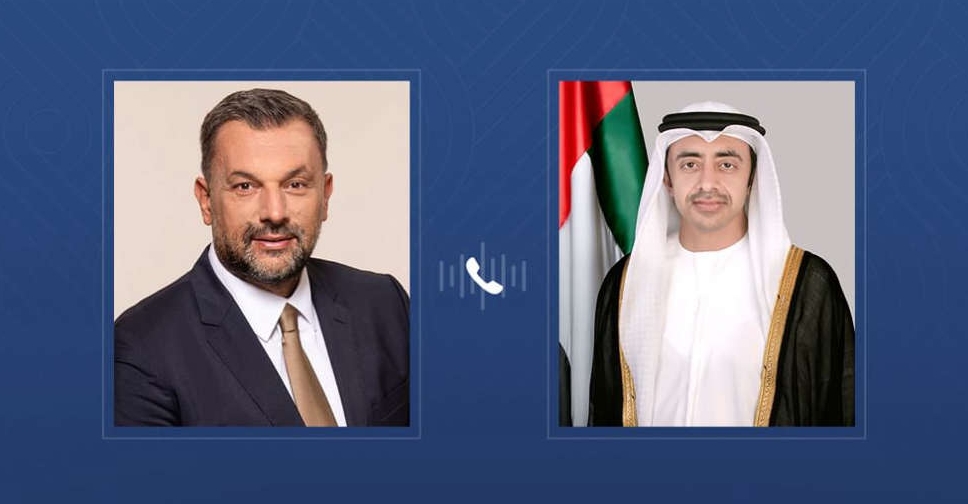 UAE, Bosnia FMs discuss strengthening bilateral relations
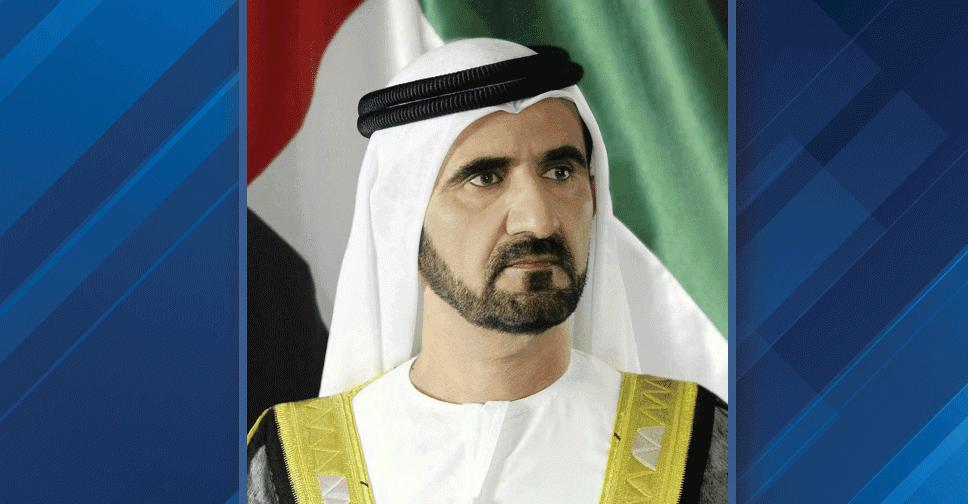 H.H. Sheikh Mohammed launches campaign to rescue 5 million children from hunger
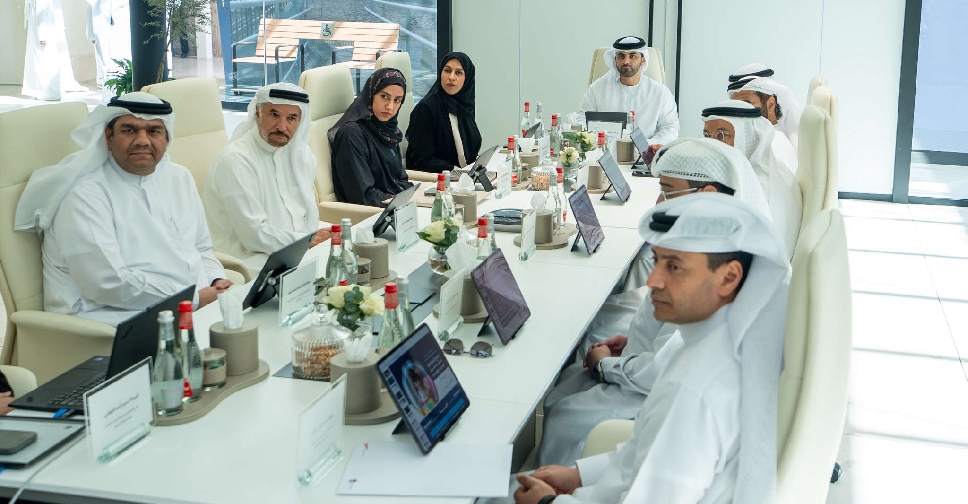 Dubai advances measures to support people of determination
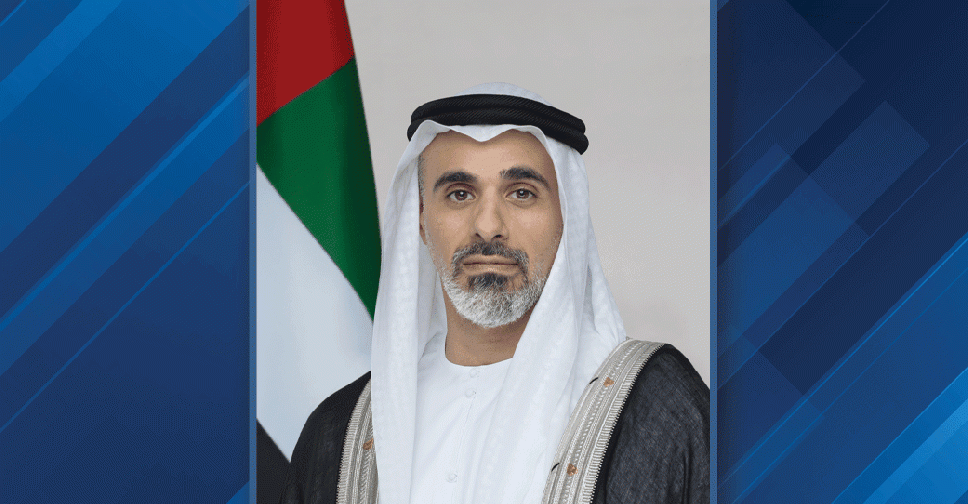 Abu Dhabi Crown Prince to lead UAE delegation at AI Impact Summit in India
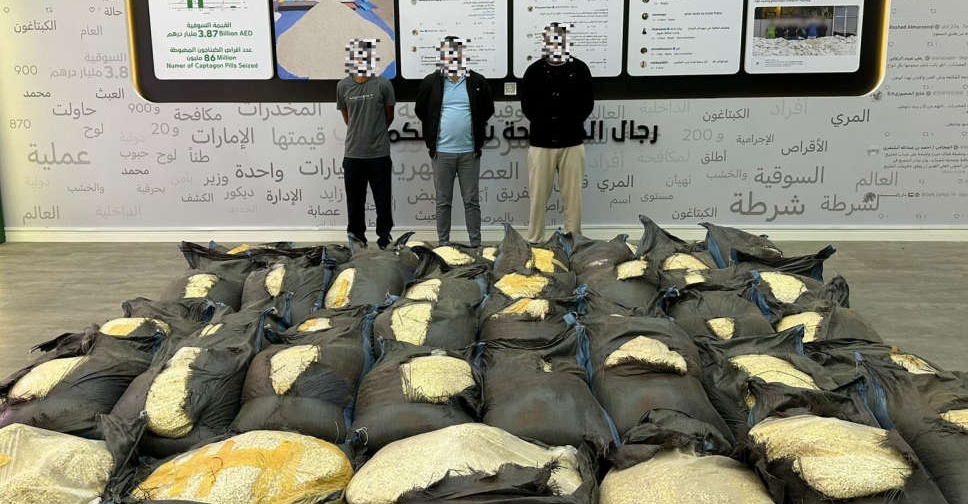 Over 14 million Captagon pills, hidden in grain sacks, seized in UAE–Kuwait operation
 Remote learning on Fridays during Ramadan for UAE public schools
 UAE clarifies enrollment rules for British curriculum schools
 UAE announces temporary road closures in Al Dhaid
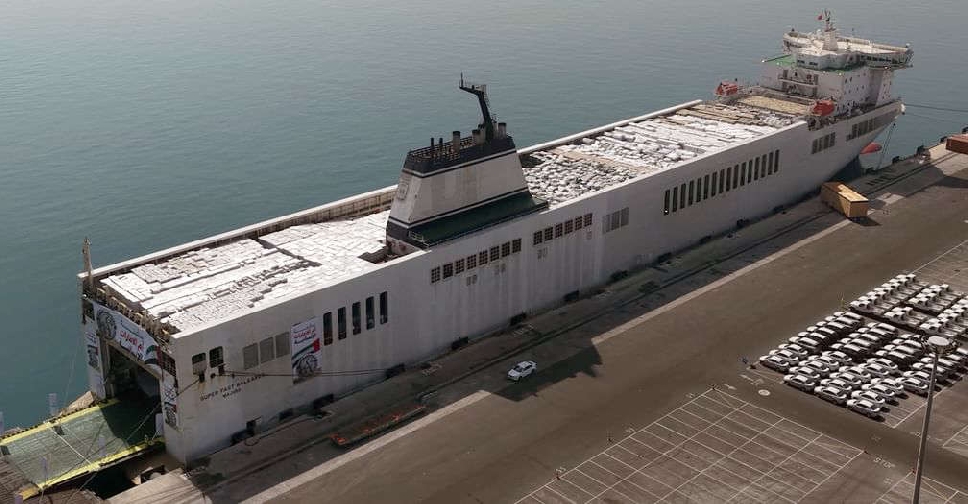 Umm Al Emarat aid ship sets sail for Gaza Strip
 UAE announces Ramadan working hours for private sector
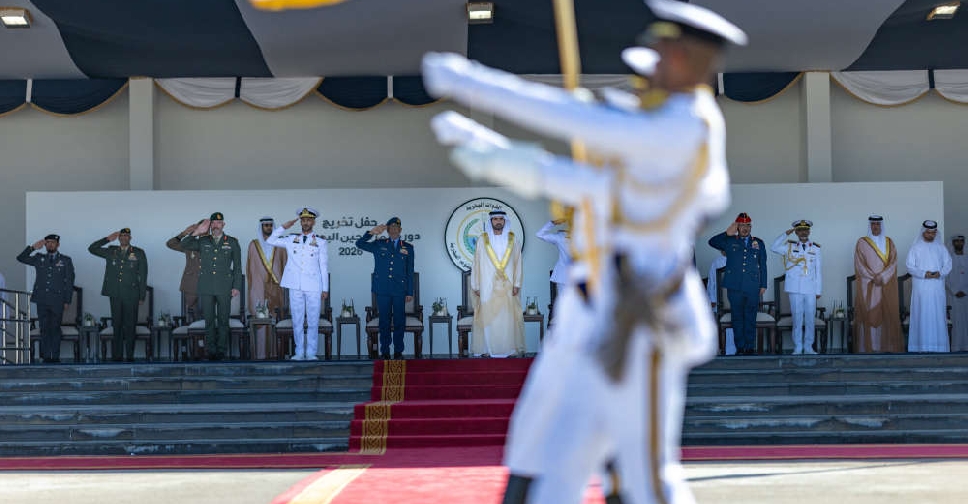 H.H. Sheikh Hamdan highlights nation’s defence vision at naval college ceremony
 Members of UAE's National Identity Committee unveiled
 Ramadan working hours confirmed for UAE public sector
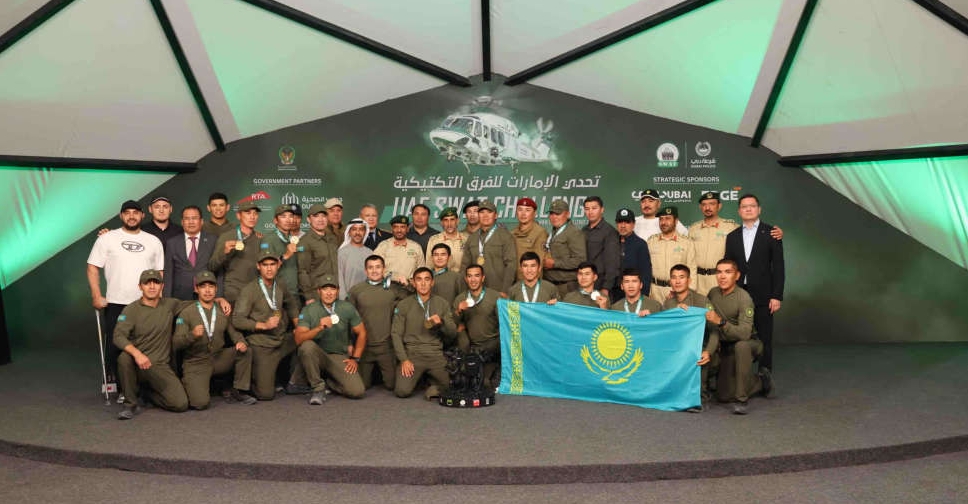 Kazakhstan crowned champions of UAE SWAT Challenge 2026
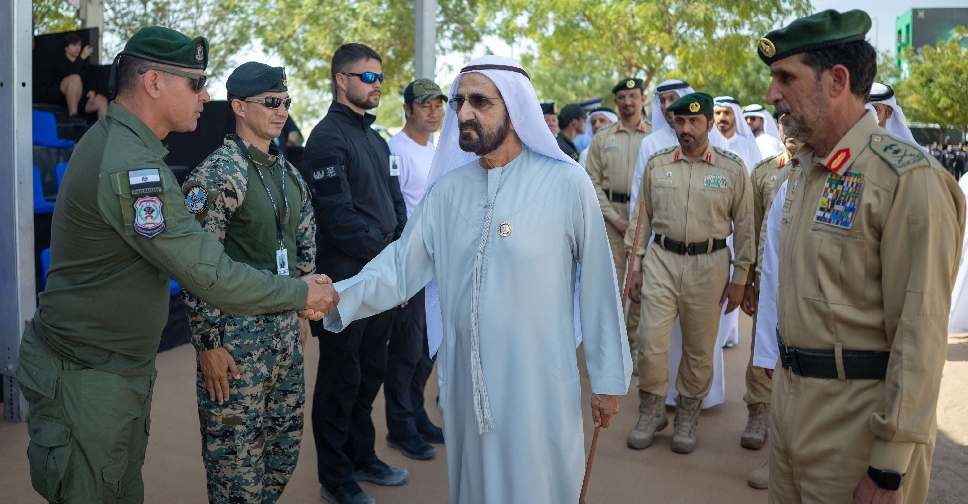 H.H. Sheikh Mohammed attends final day of UAE SWAT Challenge
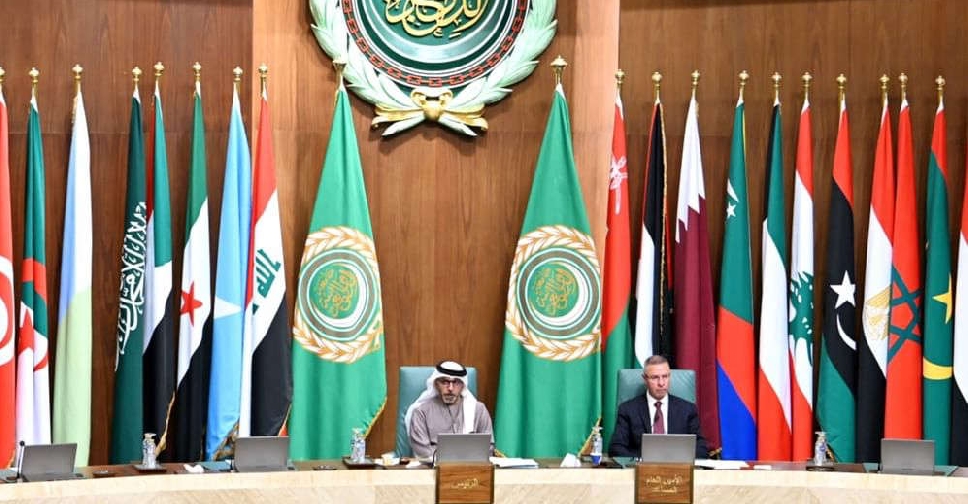 UAE chairs Arab League emergency meeting on Israeli settlement expansion
 UAE cracks down on unlicensed domestic worker recruitment platforms
 UAE strongly condemns school shooting in Canada

