

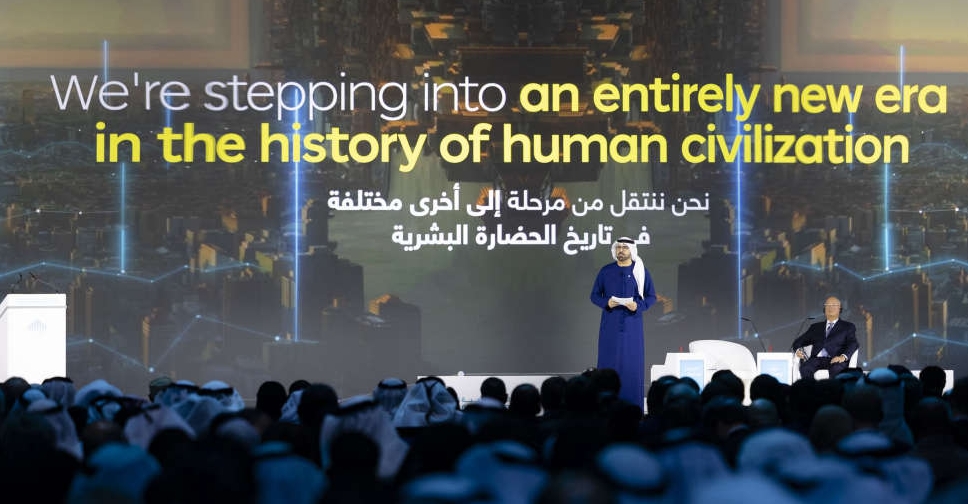
Mohammad Al Gergawi, Minister of Cabinet Affairs, and Chairman of the World Governments Summit (WGS), said on Tuesday that humanity is at a pivotal moment, having completed 25 years of a millennium that's witnessed major technological, economic, and social transformation.
While the past 25 years have been turbulent, they have also seen extraordinary advancements, he added
During his opening remarks at the WGS, Al Gergawi reaffirmed the progress of the next 25 years will surpass all previous human advancements, and that "our future will be shaped by decisions we make today. Future is the result of present decisions informed by the past and prepared for what's next."
Al Gergawi stated, "One of the key lessons we learn from history is that the future will be entirely different from the past. Governments must be prepared for the transformative economic and technological changes as what lies ahead is a new history in the making with its own rules."
He added, "The rapid changes the world has witnessed were not merely passing events but accumulated lessons. Only governments that analyse the past, rather than merely document it, can shape the future.
"Those who do not learn from history are doomed to repeat its mistakes," Al Gergawi emphasised.
Addressing the summit's audience, Al Gergawi reviewed the developments of the past quarter-century, highlighting some of humanity's most significant transformations.
He noted that after 25 years of commitments by governments, nations, and organisations to create a better future, it is essential to ask: Where do we stand today in relation to these aspirations? What opportunities have governments missed, and what potential have they successfully harnessed?
Despite these turbulent events, the past 25 years have also been remarkable for transformation. The world's population has grown to approximately 8.2 billion today, while the global economy has expanded from $34 trillion to $115 trillion by 2024. International trade grew nearly fivefold from $7 trillion to $33 trillion in 2024.
The economic landscape shifted from the dominance of traditional industries like oil, heavy manufacturing and financial services to technological corporations and digital platforms. Additionally, China and India emerged as rising economic powers, counterbalancing the decline of some industrialised nations.
In 2000, globalisation was viewed with optimism, yet with the rise of populism, nations adopted inward-looking policies, leading to fragmentation.
He stated, "In 2000, less than 7 percent of the world's population used the internet; today, that figure exceeds 60 percent. Cryptocurrencies, which had no market value in 2000, now exceed $3 trillion. Technological warfare and robotic military systems, once confined to science fiction in 2000, have become reality, with wars now fought using drones, robots, and artificial intelligence. While nuclear warfare was once the world's greatest fear, we now also contend with the threats of cyber and biological wars."
Reflecting on these shifts, Al Gergawi posed a critical question to the summit's audience: "What if our decisions as humanity, governments, and societies had been different over the past 25 years?"
He then presented four realities that were shaped by past decisions.
More than two million people have lost their lives in wars and conflicts, with approximately 120 million displaced as refugees. Only 4 percent of conflicts have resulted in peace agreements. Al Gergawi posed the first question: What if peace had been prioritised over violence and diplomacy over military solutions
Second, economic growth alone has not translated into greater well-being as evidenced by rising rates of depression and mental illness among 280 million people, costing the global economy $1 trillion annually. "What if governments had focused on the "quality of growth" rather than merely its "quantity"?" asked Al Gergawi.
Third, trust in governments has declined worldwide between 2000 and 2025, with only 52 percent of people expressing confidence in their leaders, according to the "Trust in Government" indicator. "What if fostering trust had been a priority over the past 25 years?" Al Gergawi questioned, stressing that trust is the core of governance.
Despite progress, 630 million people still live in poverty. Eradicating hunger, ensuring universal education, and improving global healthcare would require approximately $800 billion annually.
"What if human-driven motivations had led the global agenda over the past 25 years?" noted Al Gergawi, stating that the UAE allocates 1.5 percent of its annual GDP for humanitarian aid and development support. "The decision is in our hands. Our future does not require miracles, but a commitment to our human values."
Al Gergawi then shared key projections for the next 25 years. By 2050, the world's population will reach 10 billion, with significant growth in Africa and Asia. More than 20 percent of people will be over the age of 60, necessitating advanced healthcare and social systems. Over 20 billion robots will serve humans, reshaping lifestyles, labour markets, and societies.
Space will become integral to human life, with its economy projected to reach $4 trillion. Technological advancements will enhance human capabilities, reshape education, extend lifespans, and solve challenges once thought insurmountable.
"We are transitioning to an entirely different phase of humanity as AI is still in its infancy, like an embryo in the process of formation. For 30,000 years, humans have been the sole beings capable of thinking, analysing, creating, and giving commands. But today, for the first time in history, something else is emerging that can rival human cognitive and creative abilities—and may even surpass them significantly."
The new phase requires new tools, approaches and visions, noted Al Gergawi.
He concluded, "The next 25 years will bring unprecedented progress, reshaping the course of human history. Our future will be determined by the decisions we make today, as the future of humanity is a collection of choices made by governments, organisations, companies, and individuals."

 UAE President, King of Bahrain discuss stronger ties and regional stability
 UAE, DR Congo Presidents discuss strengthening cooperation under CEPA
 UAE leaders highlight youth's role central to nation's future
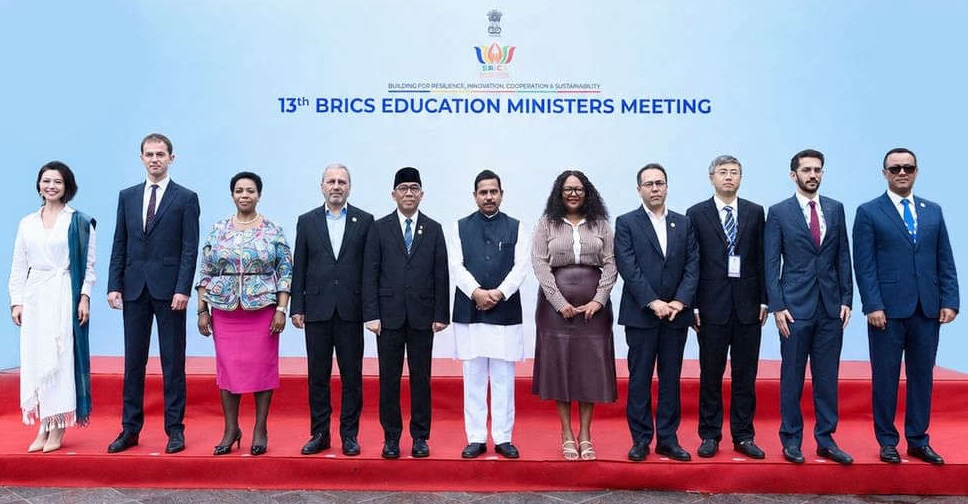 UAE highlights flexible, skills-based education model at BRICS meeting
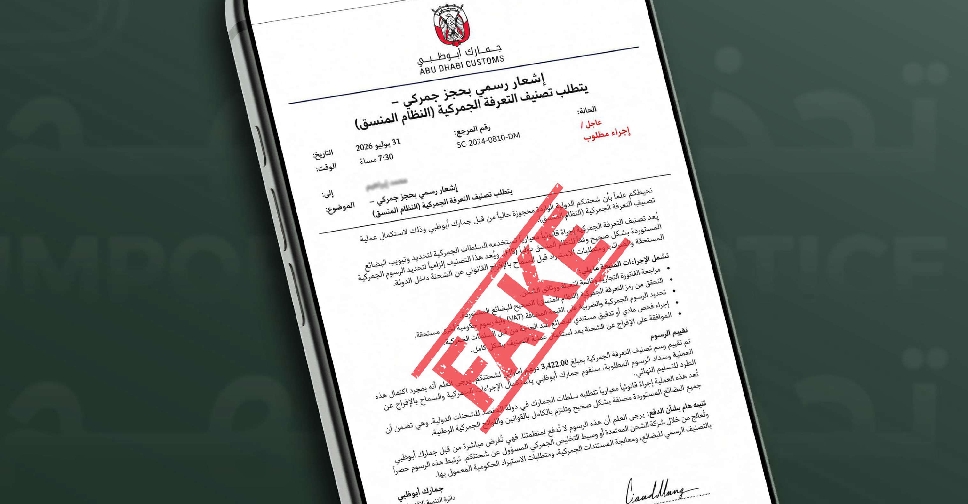 Abu Dhabi Customs raises alert over fraudulent messages
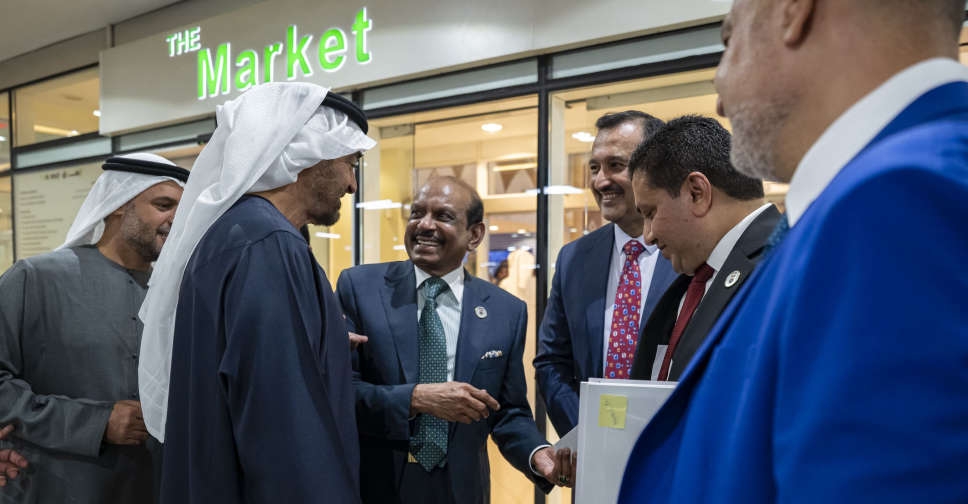 UAE President meets Lulu founder Yusuff Ali during Abu Dhabi store visit
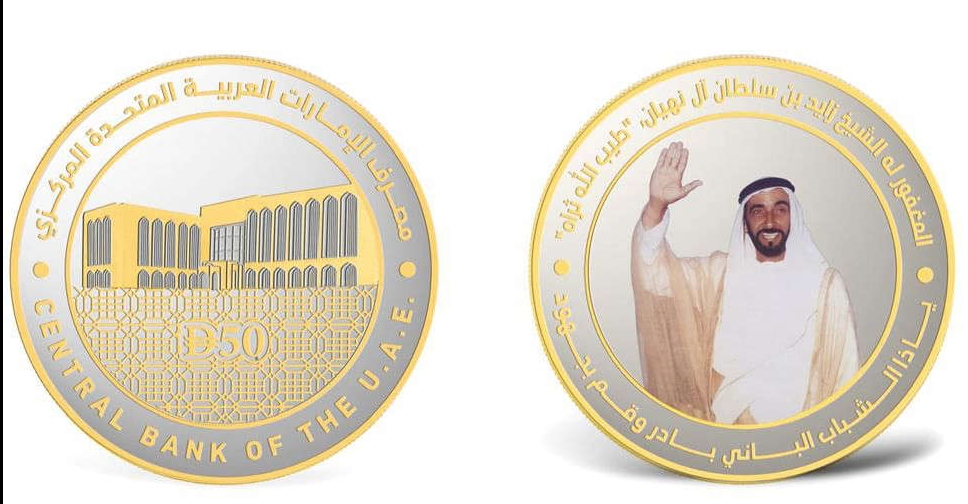 UAE issues special coins to mark contribution of youth in country's progress
 Sharjah Ruler approves 470 scholarships for new academic year
 UAE continues mobile health clinic operations in Gaza
 UAE expands youth empowerment efforts across key sectors
 UAE authorities seize 3.5 million non-compliant excise goods
 Gargash highlights need to end region's 'indefinite' state
 UAE pays out AED512 million under unemployment insurance scheme
 UAE expresses support for Colombia after deadly earthquake
 UAE thwarts cyberattacks targeting aviation, energy and education sectors
 UAE's post-pandemic hiring recovery among world’s strongest
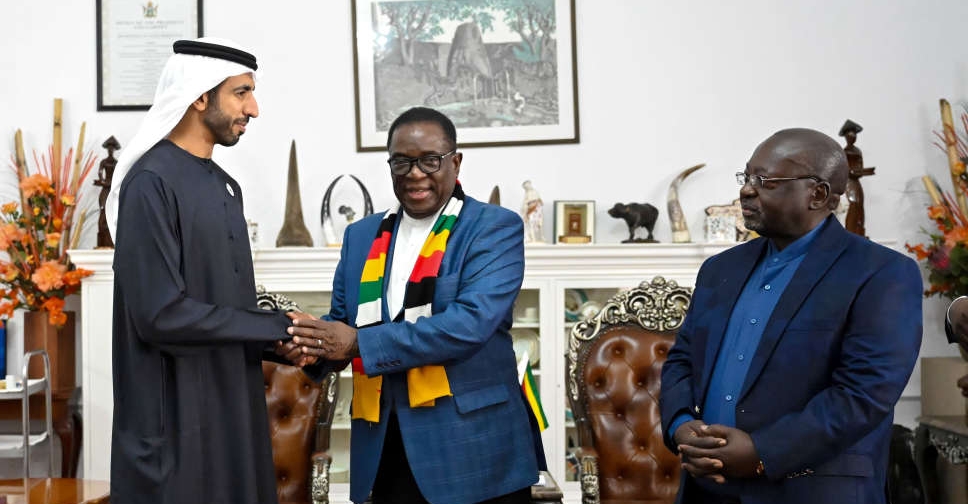 UAE Minister of State holds talks with President of Zimbabwe
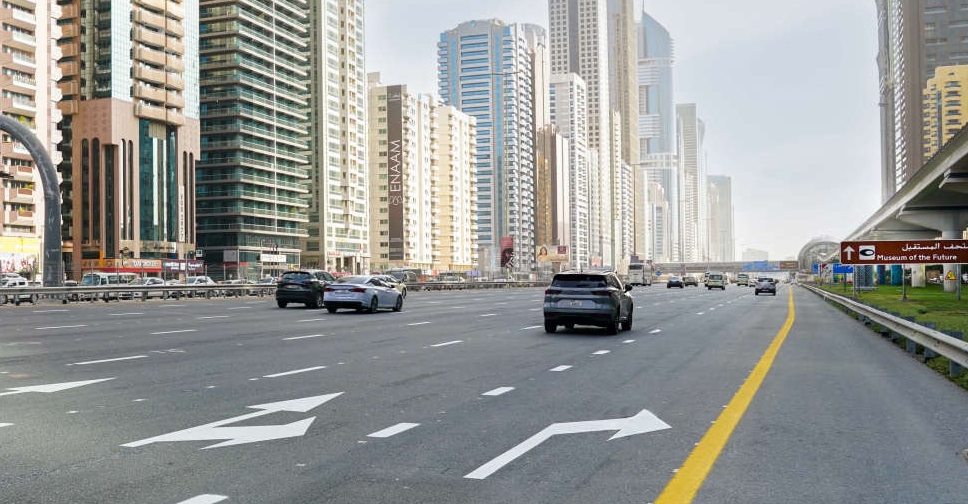 New lane on Sheikh Zayed Road to improve access to WTC intersection
 Nominations for first Dubai-it Award open August 10
 UAE convoys deliver 663 tonnes of aid to Gaza

