
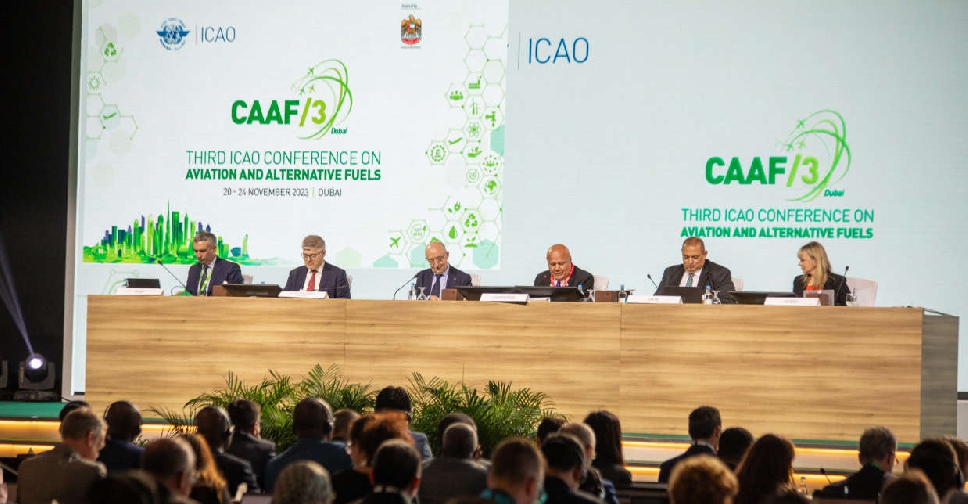
The International Civil Aviation Organisation (ICAO) has adopted a new framework for emissions reductions from global aviation by 2030 by using less-polluting fuels.
The agreement (Dubai Framework) was reached in Dubai on the final day of the Third ICAO Conference on Aviation and Alternative Fuels (CAAF/3), on Friday.
It comes ahead of the UN Climate Change Conference (COP28), which kicks off in Dubai next week.
As per the framework, ICAO and its member states have agreed to strive to achieve a collective vision to reduce CO2 emissions in international aviation by 5 per cent by 2030, compared to zero cleaner energy use, by expanding the production of Sustainable Aviation Fuels (SAF), Lower Carbon Aviation Fuels (LCAF) and other cleaner aviation energy sources, supported by lowering production costs and providing financing and technology.
ICAO members also agreed to review these goals by 2028, through the study and evaluation of developments in the global sustainable energy market.
The Global Framework was adopted following consultations made across five days, with inputs from over 1,000 officials, investors and experts from 100 countries and 30 international organisations.
Abdullah bin Touq Al Marri, UAE Minister of Economy, said that the Dubai Framework is a major turning point in the fields of aviation and sustainable and clean fuel production, ushering in a more sustainable future.
It will also encourage investments in clean aviation energy, generating fresh investment and economic opportunities, Bin Touq added, noting that the adoption of the new framework provides impetus to global climate action efforts, especially with COP28 a few days away.
This is a historic stride towards strengthening global climate action, sending a strong and unified message to investors around the world about the urgency of investing in clean aviation energy, added ICAO Council President Salvatore Sciacchitano.
As per the framework, the ICAO and its member states will work towards the decentralisation of the production of SAF, LCAF and other aviation cleaner energies across all countries and regions, providing a fair and equal opportunity to participate across the value chain, from feedstock to fuel production and use.
SAFs, LCAFs and other aviation cleaner energies are expected to have the largest contribution to aviation CO2 emissions reduction by 2050, the framework asserts, which will be supported through a comprehensive approach to be developed by the ICAO and its members, consisting of a basket of measures, including technology, sustainable fuels, operational improvements, and market-based measures.
During the Third ICAO Conference on Aviation and Alternative Fuels (CAAF/3), the international aviation sector has taken a giant leap to accelerate its decarbonization. Read our announcement on LinkedIn: https://t.co/6ppB5nhBsV pic.twitter.com/nzmwtBJW8I
— ICAO (@icao) November 24, 2023


 UAE, Pakistan leaders discuss boosting economic ties
 UAE, Bosnia FMs discuss strengthening bilateral relations
 H.H. Sheikh Mohammed launches campaign to rescue 5 million children from hunger
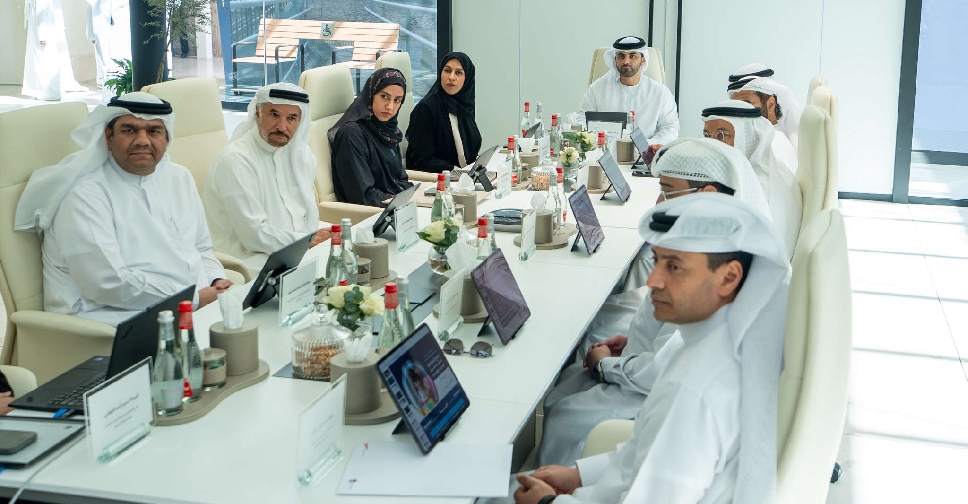 Dubai advances measures to support people of determination
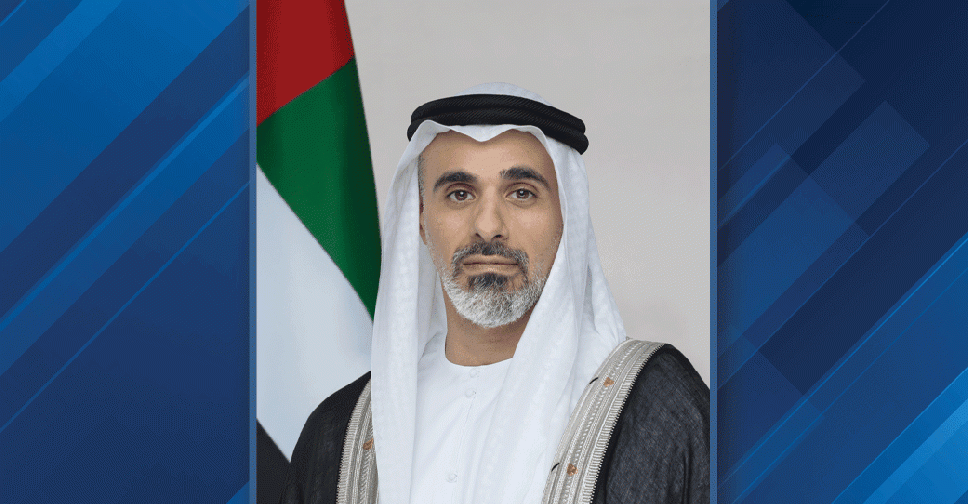 Abu Dhabi Crown Prince to lead UAE delegation at AI Impact Summit in India
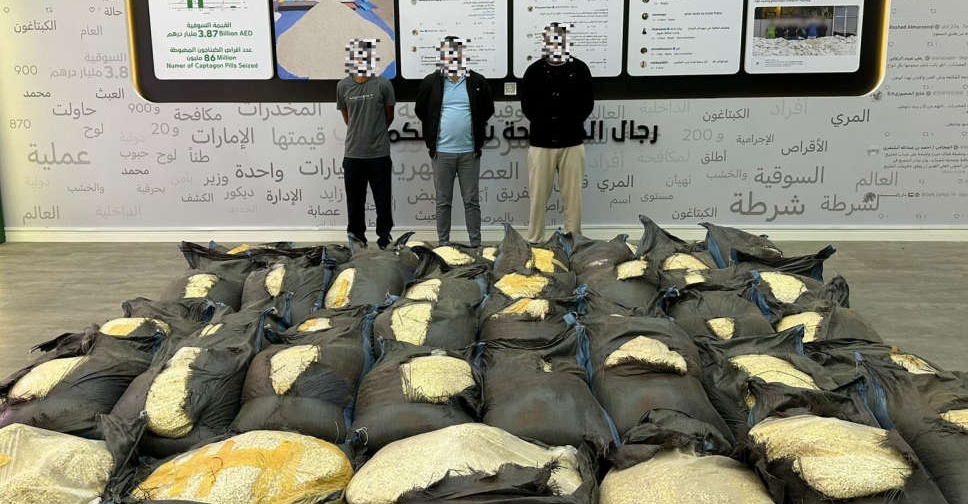 Over 14 million Captagon pills, hidden in grain sacks, seized in UAE–Kuwait operation
 Remote learning on Fridays during Ramadan for UAE public schools
 UAE clarifies enrollment rules for British curriculum schools
 UAE announces temporary road closures in Al Dhaid
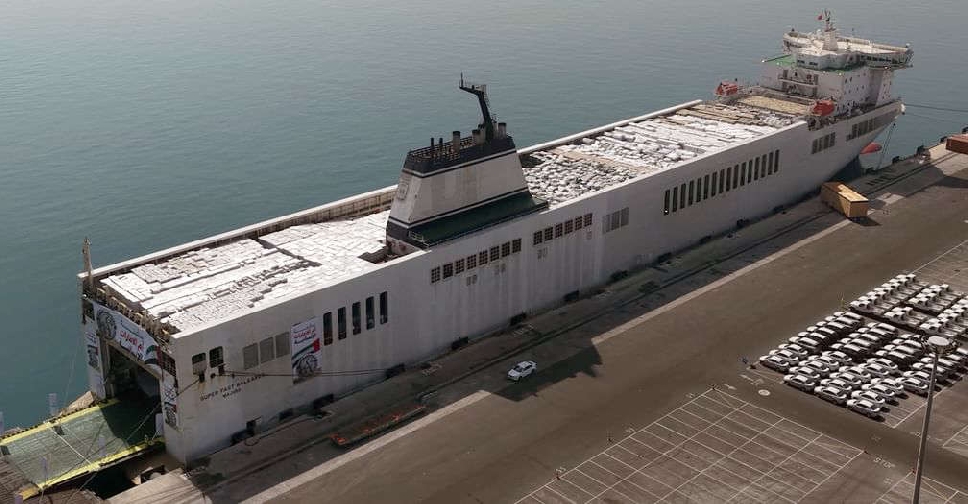 Umm Al Emarat aid ship sets sail for Gaza Strip
 UAE announces Ramadan working hours for private sector
 H.H. Sheikh Hamdan highlights nation’s defence vision at naval college ceremony
 Members of UAE's National Identity Committee unveiled
 Ramadan working hours confirmed for UAE public sector
 Kazakhstan crowned champions of UAE SWAT Challenge 2026
 H.H. Sheikh Mohammed attends final day of UAE SWAT Challenge
 UAE chairs Arab League emergency meeting on Israeli settlement expansion
 UAE cracks down on unlicensed domestic worker recruitment platforms
 UAE strongly condemns school shooting in Canada
 UAE leaders discuss national priorities, sustainable development

