
The UAE, Jordan, Morocco, Mauritania, Chad, Comoros, Guinea Bissau, Seychelles, Senegal, Benin, Kenya, Sierra Leone, Uganda, Mozambique, and Nigeria released a joint statement expressing concern over the food security situation in Sudan.
The statement was in response to the Integrated Food Security Phase Classification (IPC) report published on 27 June, which revealed an unprecedented level of food insecurity in Sudan, leaving 25.6 million people in high levels of acute food insecurity, 14 areas at risk of famine, and the raid deterioration of security.
“We particularly recognise that the deepening food insecurity in Sudan presents a significant humanitarian challenge with potential repercussions for displacement, refugees, and migration dynamics. This underscores the importance of a coordinated international response to the crisis,” the statement said.
The countries called for the implementation of the 13 July United Nations Security Council resolution to allow the safe passage of humanitarian workers and the easing of bureaucratic processes for entry.
They urged the warring parties and foreign actors to halt hostilities and cease providing armed support that would heighten tensions.
The full statement can be read here:
بيان مشترك بين دولة الإمارات العربية المتحدة، والمغرب، والأردن، وموريتانيا، وتشاد، وجزر القمر، وغينيا بيساو، وسيشل، والسنغال، وبنين، وكينيا، وسيراليون، وأوغندا، وموزمبيق ونيجيريا بشأن حالة الأمن الغذائي المثيرة للقلق وخطر المجاعة في السودان
— MoFA وزارة الخارجية (@mofauae) July 15, 2024
https://t.co/n1atCqEXoD

 Emir of Qatar welcomed by UAE President on visit to Abu Dhabi
 UAE, Pakistan leaders discuss boosting economic ties
 UAE, Bosnia FMs discuss strengthening bilateral relations
 H.H. Sheikh Mohammed launches campaign to rescue 5 million children from hunger
 Dubai advances measures to support people of determination
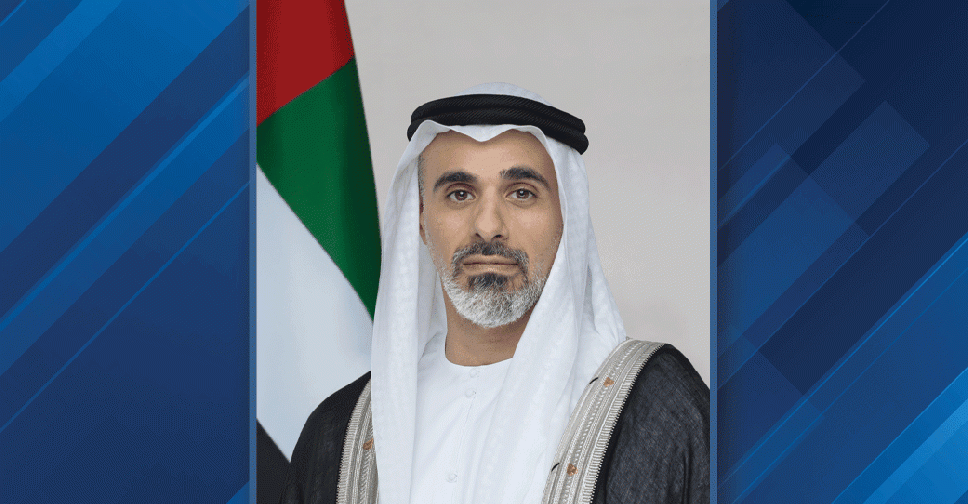 Abu Dhabi Crown Prince to lead UAE delegation at AI Impact Summit in India
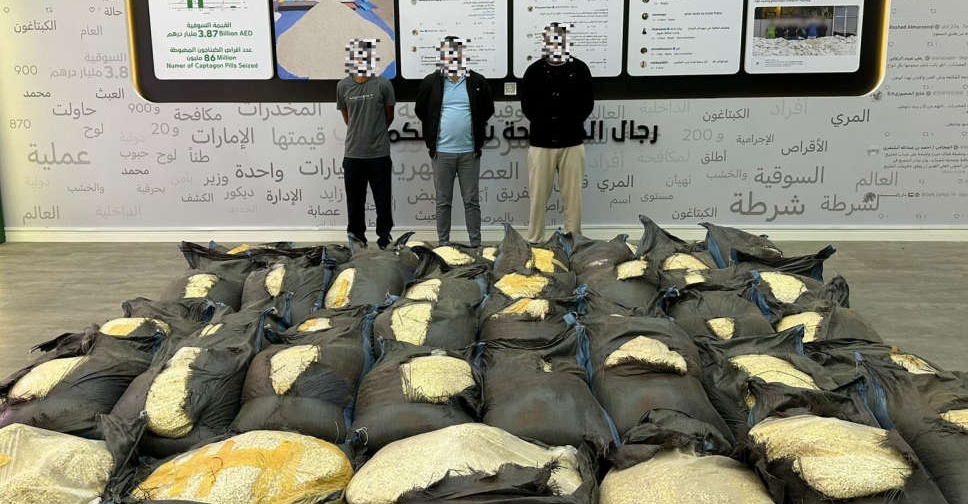 Over 14 million Captagon pills, hidden in grain sacks, seized in UAE–Kuwait operation
 Remote learning on Fridays during Ramadan for UAE public schools
 UAE clarifies enrollment rules for British curriculum schools
 UAE announces temporary road closures in Al Dhaid
 Umm Al Emarat aid ship sets sail for Gaza Strip
 UAE announces Ramadan working hours for private sector
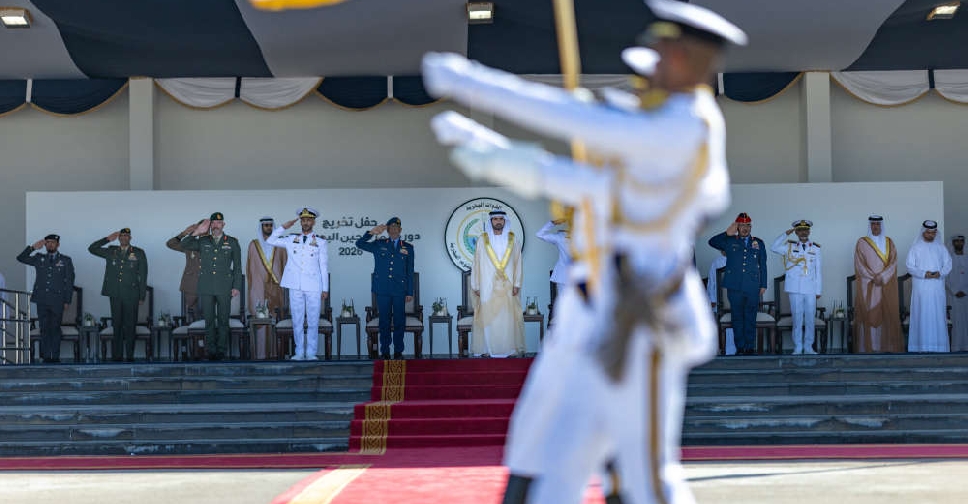 H.H. Sheikh Hamdan highlights nation’s defence vision at naval college ceremony
 Members of UAE's National Identity Committee unveiled
 Ramadan working hours confirmed for UAE public sector
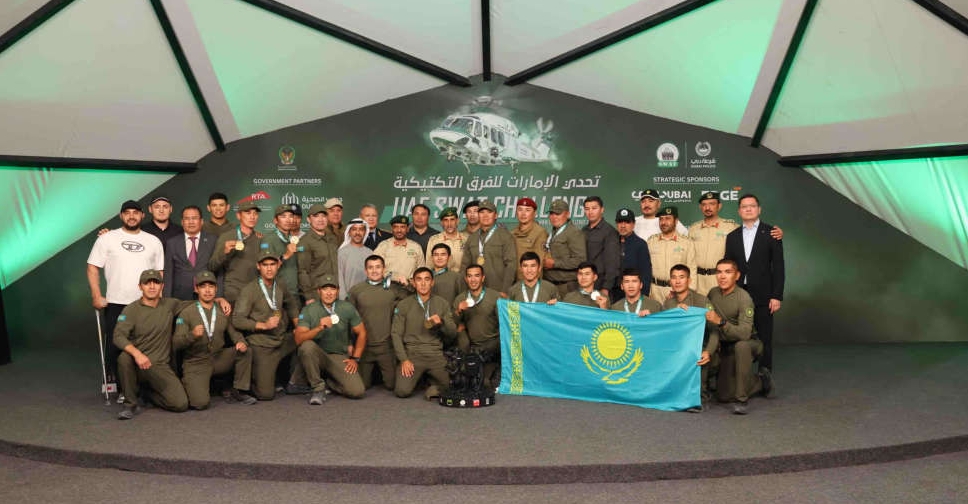 Kazakhstan crowned champions of UAE SWAT Challenge 2026
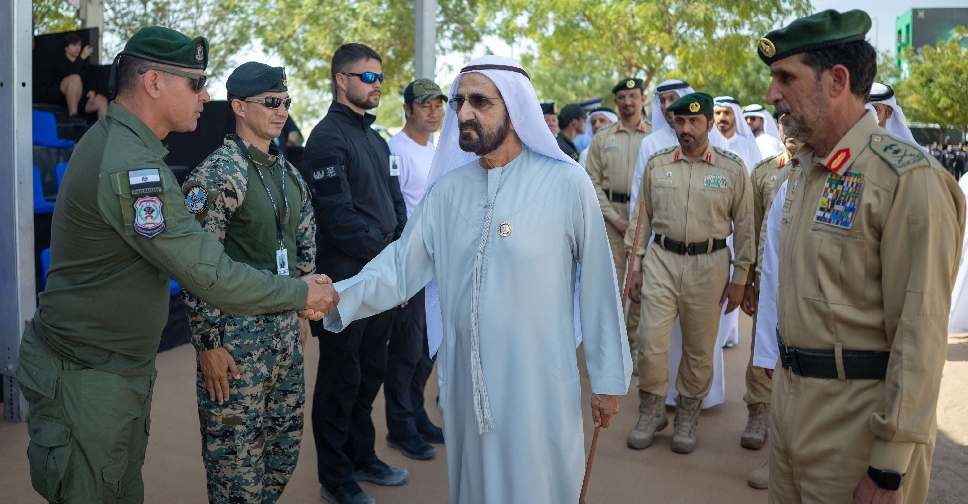 H.H. Sheikh Mohammed attends final day of UAE SWAT Challenge
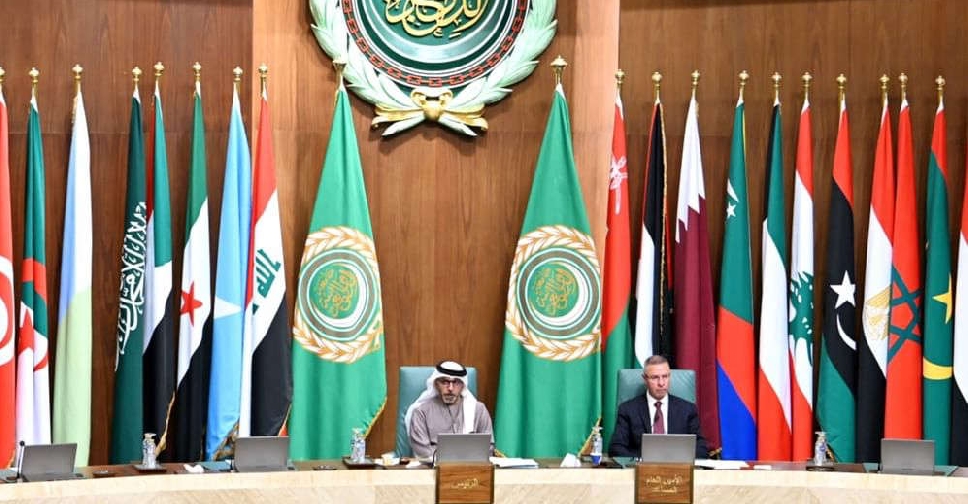 UAE chairs Arab League emergency meeting on Israeli settlement expansion
 UAE cracks down on unlicensed domestic worker recruitment platforms
 UAE strongly condemns school shooting in Canada

