


Some 117 governments pledged to triple the world's renewable energy capacity by 2030 at the U.N.'s COP28 climate summit on Saturday, as a route to cut the share of fossil fuels in the world's energy production.
The pledge was among a slew of COP28 announcements on Saturday aimed at decarbonizing the energy sector - source of around three-quarters of global greenhouse gas emissions - that included expanding nuclear power, cutting methane emissions, and choking off private finance for coal power.
"This can and will help transition the world away from unabated coal," said COP28 President Sultan al-Jaber.
Led by the European Union, United States and UAE, the pledge also said tripling renewable energy would help remove CO2-emitting fossil fuels from the world's energy system by 2050 at the latest.
Backers on Saturday included Brazil, Nigeria, Australia, Japan, Canada, Chile and Barbados.
Backers including the EU and UAE want the renewable energy pledge included in the final U.N. climate summit decision, to make it a global goal. That would require consensus among the nearly 200 countries present.
The pledge also called for "the phase down of unabated coal power" and an end to the financing of new coal-fired power plants. It also included a target to double the global rate of energy efficiency by 2030.
Climate vulnerable countries insisted that the goals must be paired with a deal among countries at COP28 to phase out the world's use of fossil fuels.
"It is only half the solution. The pledge can't greenwash countries that are simultaneously expanding fossil fuel production," said Tina Stege, Climate Envoy for the Marshall Islands.
NUCLEAR NUDGE
More than 20 nations also signed a declaration on Saturday aiming to triple nuclear power capacity by 2050, with US climate envoy John Kerry saying the world cannot achieve "net zero" emissions without building new reactors.
"We are not making the argument that this is absolutely going to be the sweeping alternative to every other energy source," Kerry said during a launch ceremony at COP28.
"But ... you can't get to net-zero 2050 without some nuclear, just as you can't get there without some use of carbon capture, utilisation and storage," Kerry said.
Global nuclear capacity now stands at 370 gigawatts, with 31 countries running reactors. Tripling that capacity by 2050 would require a significant scaling up in new approvals - and finance.


 H.H. Sheikh Mohammed launches campaign to rescue 5 million children from hunger
 Dubai advances measures to support people of determination
 Abu Dhabi Crown Prince to lead UAE delegation at AI Impact Summit in India
 Over 14 million Captagon pills, hidden in grain sacks, seized in UAE–Kuwait operation
 Remote learning on Fridays during Ramadan for UAE public schools
 UAE clarifies enrollment rules for British curriculum schools
 UAE announces temporary road closures in Al Dhaid
 Umm Al Emarat aid ship sets sail for Gaza Strip
 UAE announces Ramadan working hours for private sector
 H.H. Sheikh Hamdan highlights nation’s defence vision at naval college ceremony
 Members of UAE's National Identity Committee unveiled
 Ramadan working hours confirmed for UAE public sector
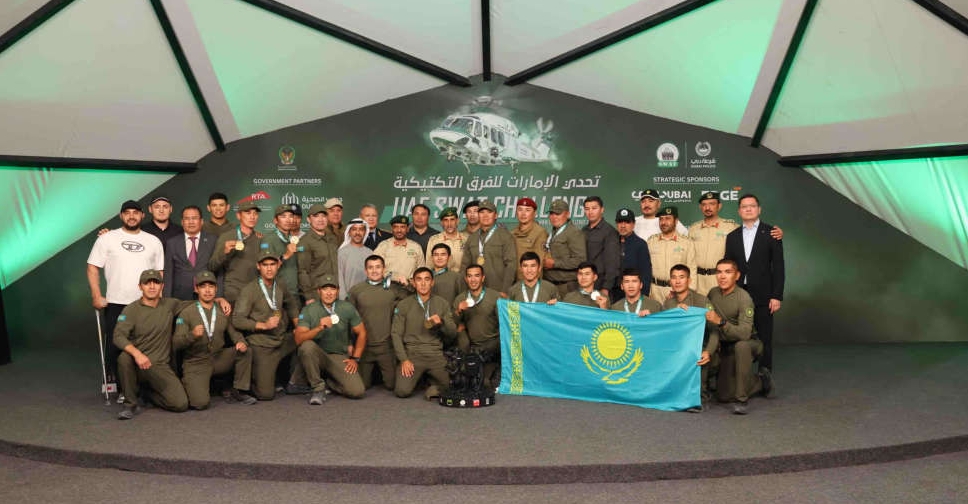 Kazakhstan crowned champions of UAE SWAT Challenge 2026
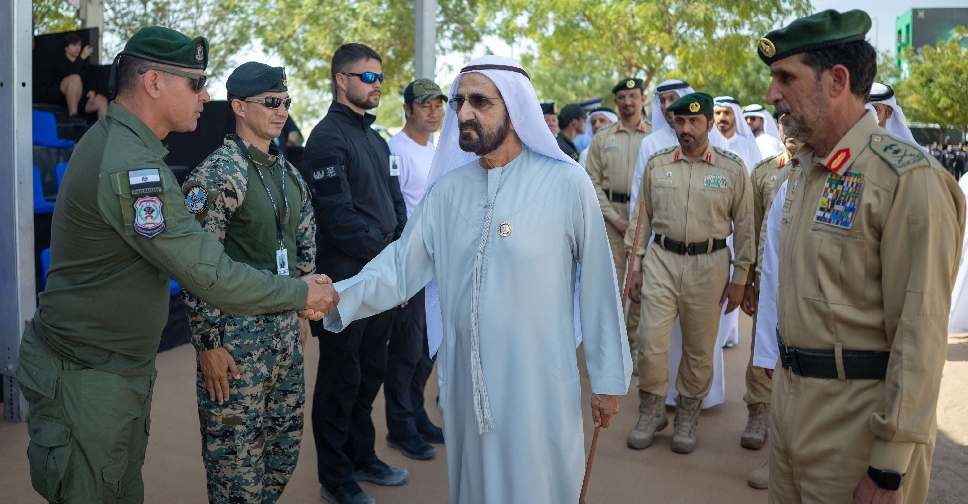 H.H. Sheikh Mohammed attends final day of UAE SWAT Challenge
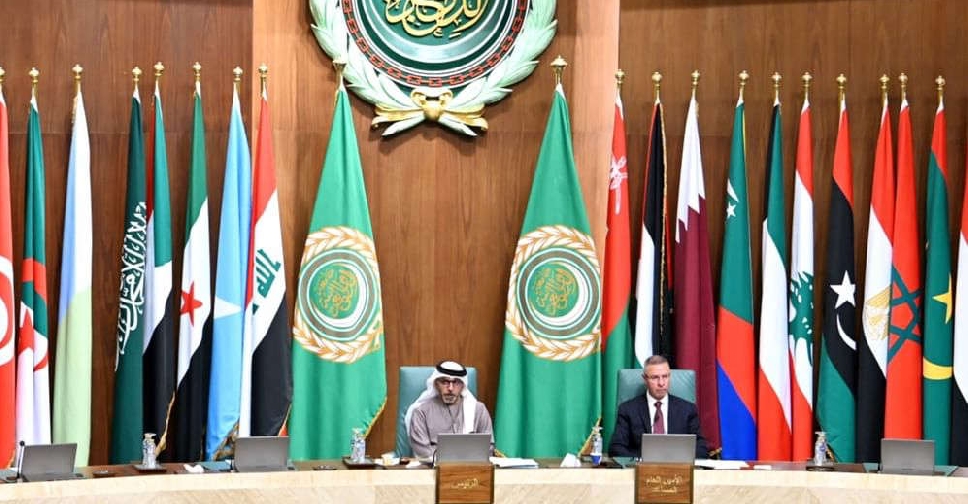 UAE chairs Arab League emergency meeting on Israeli settlement expansion
 UAE cracks down on unlicensed domestic worker recruitment platforms
 UAE strongly condemns school shooting in Canada
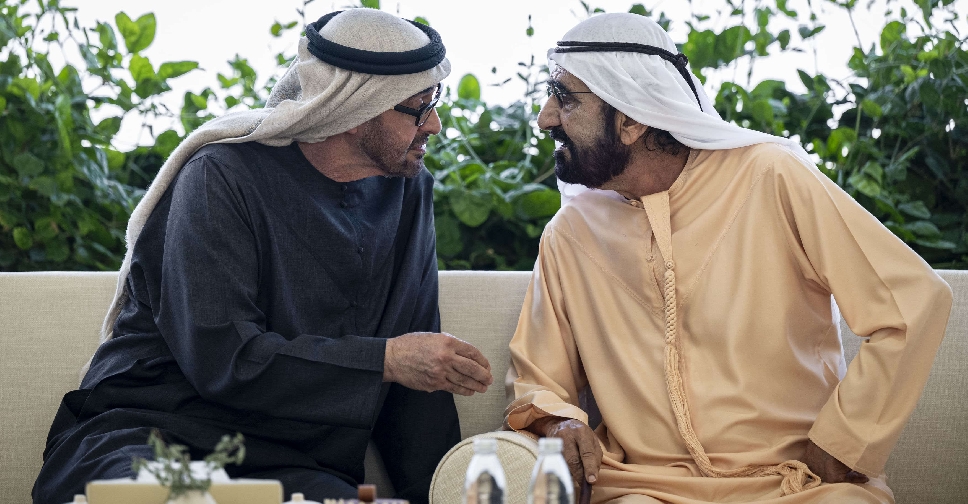 UAE leaders discuss national priorities, sustainable development
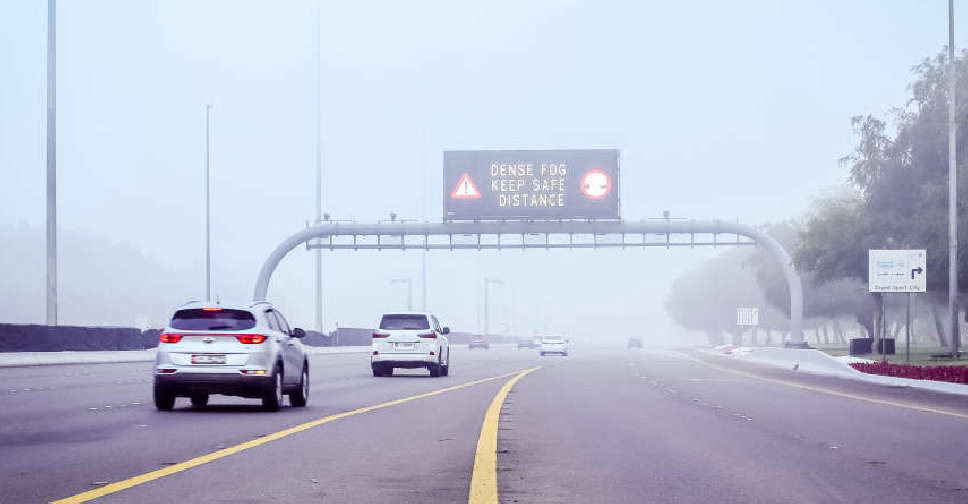 UAE issues warning over heavy fog conditions
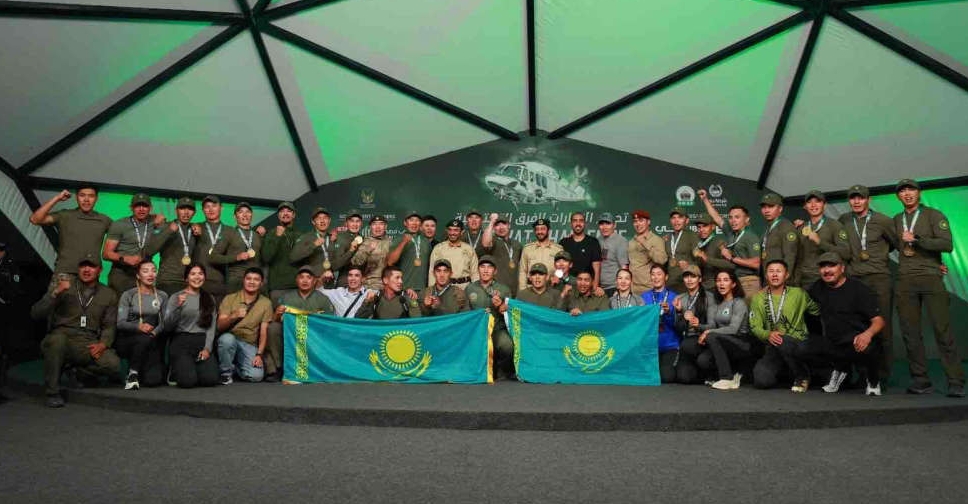 Kazakhstan takes top spot on day four of UAE SWAT Challenge

