
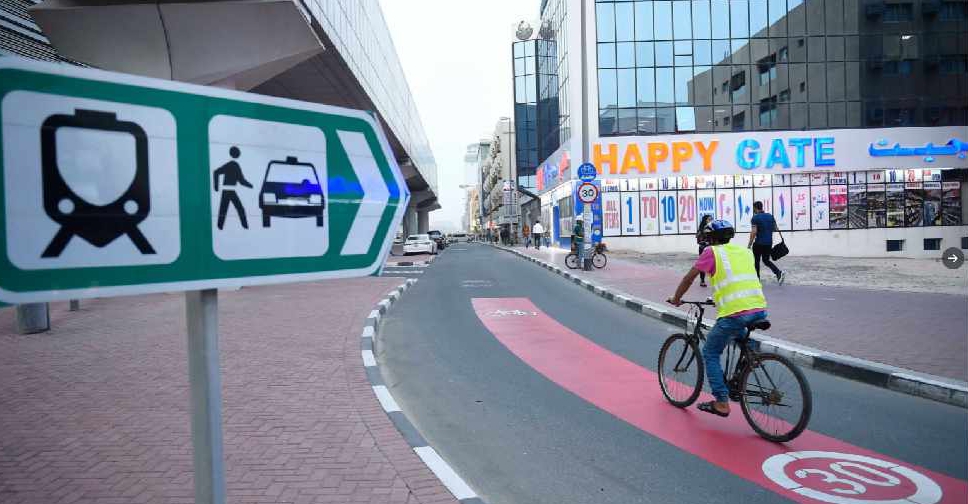
Dubai's Roads and Transport Authority (RTA) is going the extra mile to integrate mobility links for public transport users.
The 'First and Last-Mile' strategy looks into using buses, taxis, limos, smart rental cars and shared public/private transport for the first or last part of a journey leading, or nearest, to a public transport. They also include individual transit means such as scooters and electric bikes in addition to non-mechanical transit means like walking, biking, and others.
It effectively "boosts the integration with public transport means, promotes shared and mass transport, and contributes to developing effective policies and legislations for transport, roads and traffic".
The strategy is based on - sustainability, shared mobility and safety of users.
It entails the introduction of new mobility means, develops an infrastructure friendly to all, and encourages non-conventional transit means such as walking, biking, e-scooter, on-demand buses and shared mobility means, noted Mattar Mohammed Al Tayer, RTA Director-General and Chairman of the Board of Executive Directors.
The strategy also provides components of integrated transport and serves the needs of people of determination (persons with disabilities) as well.
It also requires the provision of cycling lanes, pedestrian crossings/rest areas, shaded areas and routes, landscaping, private rented car parking, bike racks, and pick-up and drop-off points, the RTA Director-General continued.
In March 2020, RTA will complete the initial phase of a master plan for soft mobility covering three residential areas namely Karama, Mankhool, and Al Qusais 1. The plan envisages the development of a friendly and integrated environment through enhancing the link between development projects and attractive areas and the use of non-conventional mobility means.
It caters to the integration of transit means that meet the needs of people of determination as well as other related elements like raised pedestrian crossings, and speed-calming devices. Soft mobility elements also include the installation of cautionary directional signs/marks, building routes shared by vehicles and non-conventional transit means, rest areas with greens and amenities, and shaded paths to encourage people to practice soft mobility.
RTA will expand the scope of soft mobility over this year to cover districts like Barsha 1 and 2. Next year, it will cover Al Bateen A, Baraha, Al Ras, Al Qusais 2 and 3 and Qusais Industrial Area 1. By 2024, the number of districts covered by soft mobility in Dubai will reach 27 districts.


 Gargash: ADNOC tankers' targeting will not deter UAE from moving forward
 Dubai Customs foils attempt to export over 70 million illicit cigarettes
 UAE expresses support for Indonesia after deadly earthquake
 ADNOC confirms attack on vessel in Strait of Hormuz
 UAE commends Kuwait’s vigilance in foiling terrorist plot
 Public invited to help shape UAE gender balance strategy
 UAE strongly condemns Iranian attack on ADNOC vessels
 Arab nations condemn Iranian attack on ADNOC tankers
 Abu Dhabi shuts down cafe over food safety violations
 Dubai Police warn of cyber threats on gaming platforms
 UAE allocates $10 million for Colombia earthquake relief
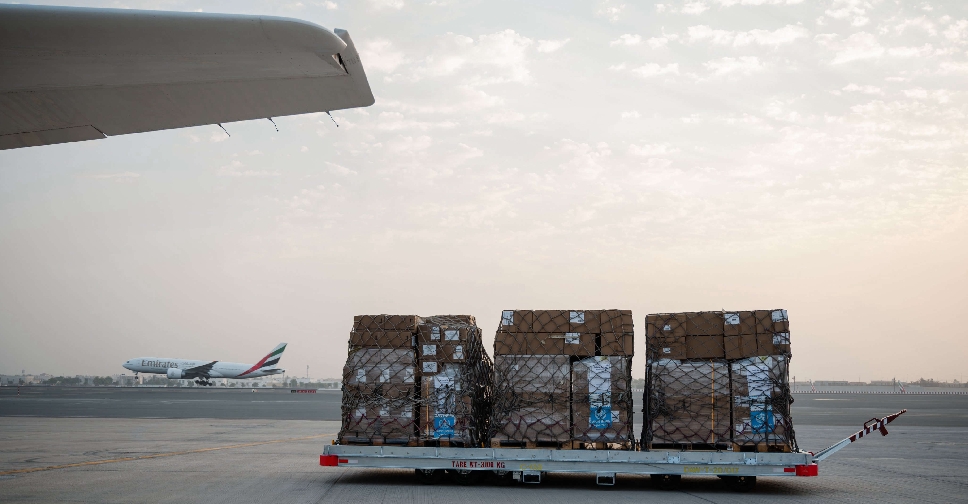 Dubai Humanitarian launches air bridge to deliver vital aid to Gaza
 UAE reaffirms solidarity with Colombia after earthquake
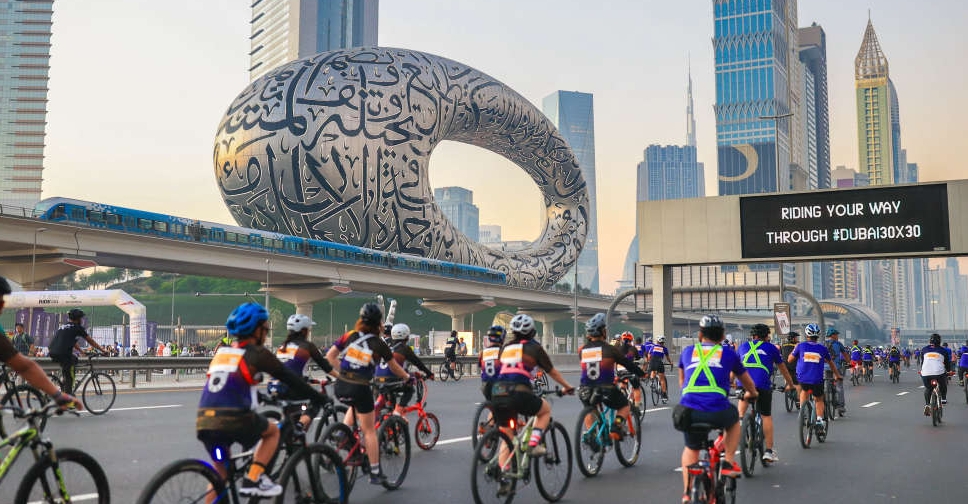 Dubai Fitness Challenge returns for another exciting edition
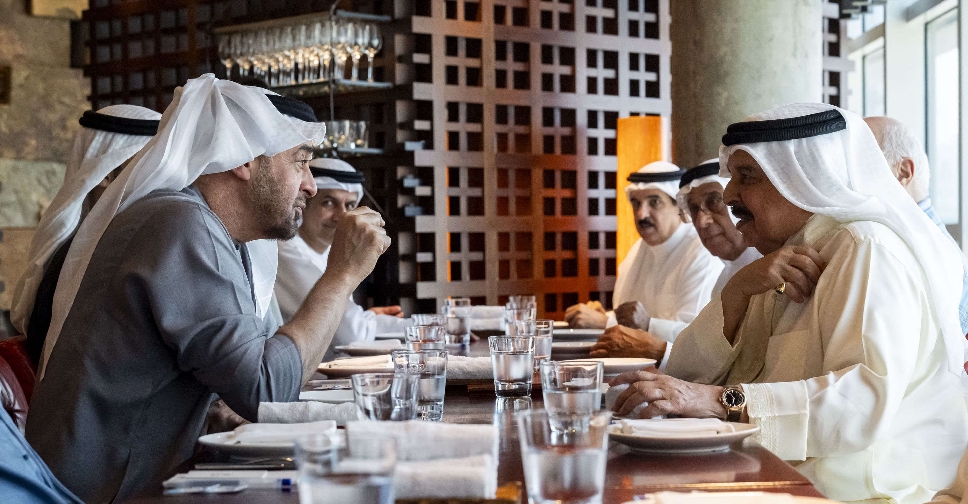 UAE President, King of Bahrain discuss stronger ties and regional stability
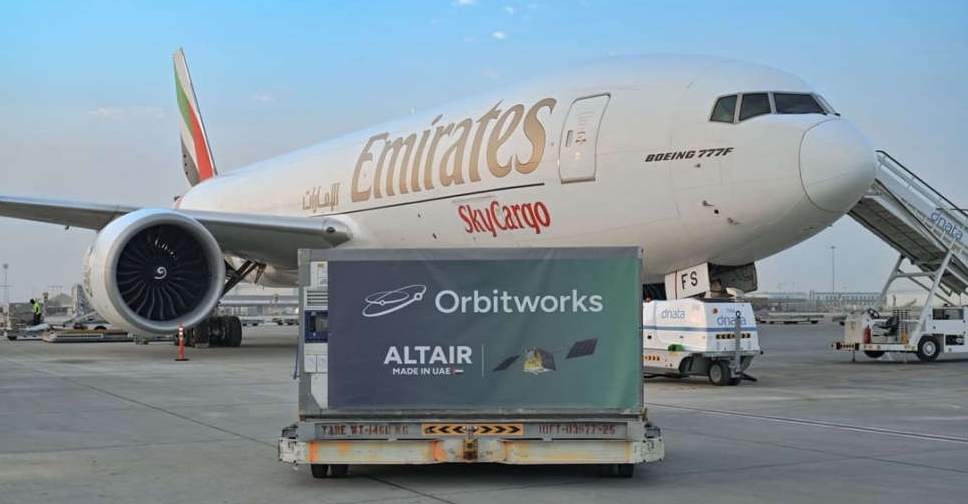 UAE-built AI satellite Altair-1 heads to US ahead of October launch
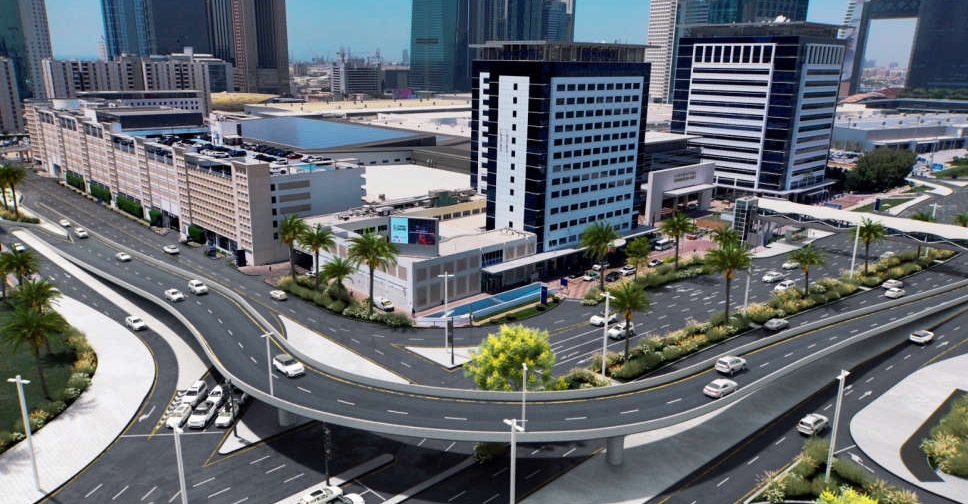 New bridge to cut travel time from DWTC to Al Mustaqbal Street
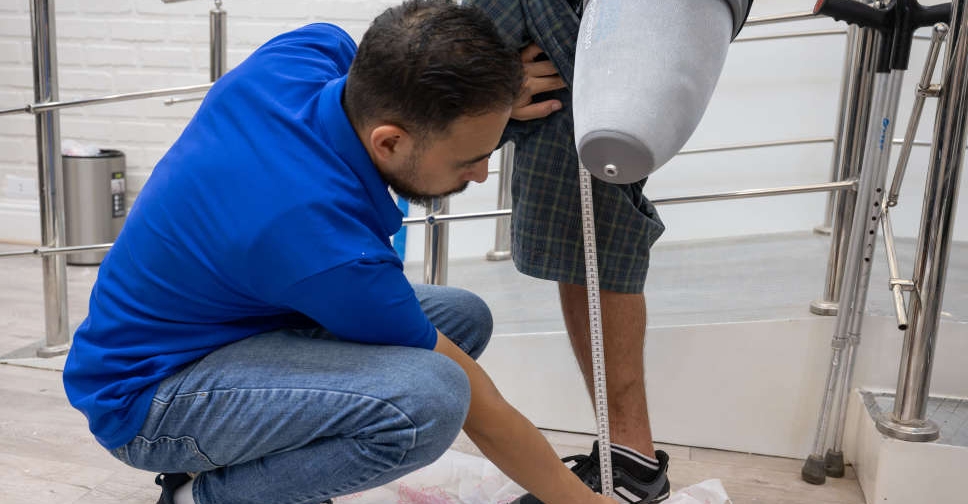 UAE Floating Hospital fits prosthetic limbs for 21 more Palestinian amputees
 UAE, DR Congo Presidents discuss strengthening cooperation under CEPA

