

The UAE was selected as a representative for the Asia-Pacific Group for the 2026-2029 United Nations Commission on Narcotic Drugs (CND) term on Saturday.
The UAE joins Pakistan, Kazakhstan, and Kyrgyzstan as the Asia-Pacific Group’s representatives on the Commission, a key subsidiary body of the Economic and Social Council (ECOSOC).
The election took place at the UN Headquarters in New York, where new members were voted in for this central policymaking body within the United Nations system.
Established under a resolution by ECOSOC, the CND is the primary forum for shaping global drug policy.
It holds critical responsibilities under various international drug control conventions, including overseeing the implementation of treaties and guiding international collaboration in addressing drug-related challenges.
Membership allows the UAE to play an active role in shaping international drug policies—proposing, contributing to, and voting on resolutions and frameworks. It also underscores the country’s growing stature in the global arena and its commitment to enhancing international security, combating the illegal spread of narcotics, and helping maintain a balanced global approach to drug supply and demand.
The Commission on Narcotic Drugs was established by ECOSOC Resolution No. 9 (1946) to assist in monitoring the implementation of international drug control treaties. In 1991, the UN General Assembly broadened its mandate to also serve as the governing body of the United Nations Office on Drugs and Crime (UNODC).
The Commission’s agenda consists of both normative, treaty-based elements and operational components. It meets annually to adopt resolutions that shape international drug control efforts.
A major milestone came in 2019 when the Commission adopted the Ministerial Declaration on Strengthening Action at National, Regional, and International Levels to Accelerate the Implementation of Joint Commitments to Combat the World Drug Problem. Under this declaration, member states committed to reviewing progress by 2029, with a midterm review conducted in 2024.
Actively implementing the 2019 declaration, the Commission continues to review global trends in drug supply and demand, adopt resolutions, and lead the formulation of policies and action plans. Its work is vital in developing a balanced, integrated global strategy to counter the world drug problem and safeguard communities.

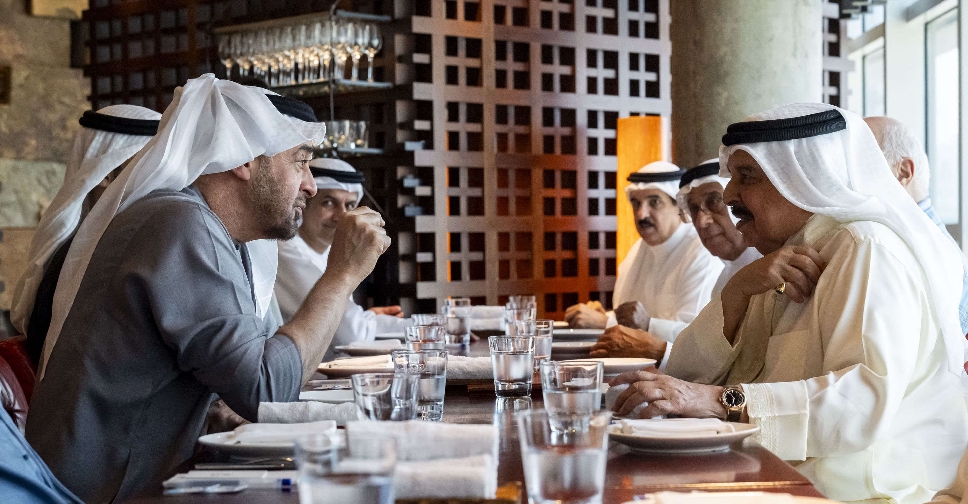 UAE President, King of Bahrain discuss stronger ties and regional stability
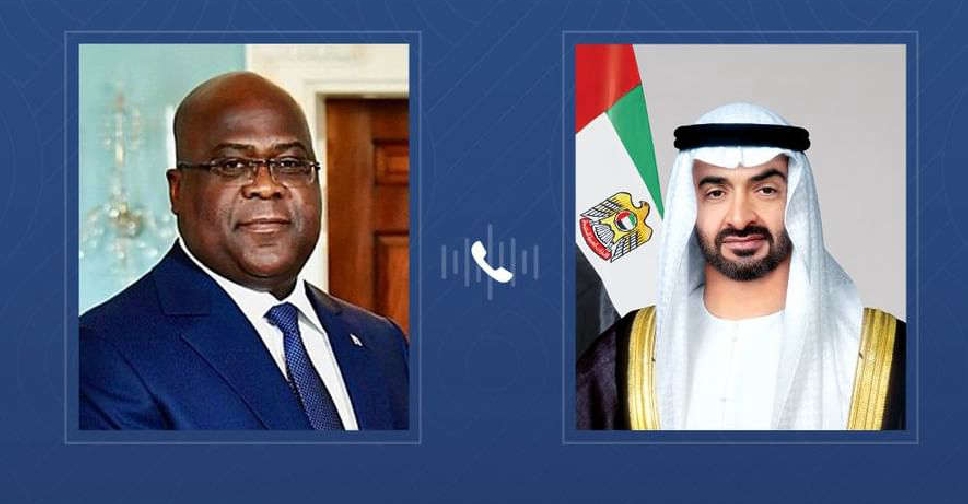 UAE, DR Congo Presidents discuss strengthening cooperation under CEPA
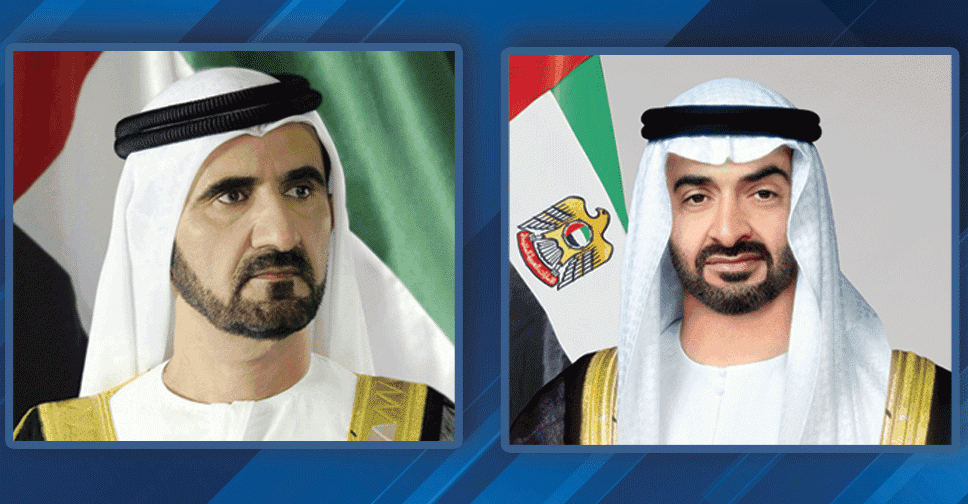 UAE leaders highlight youth's role central to nation's future
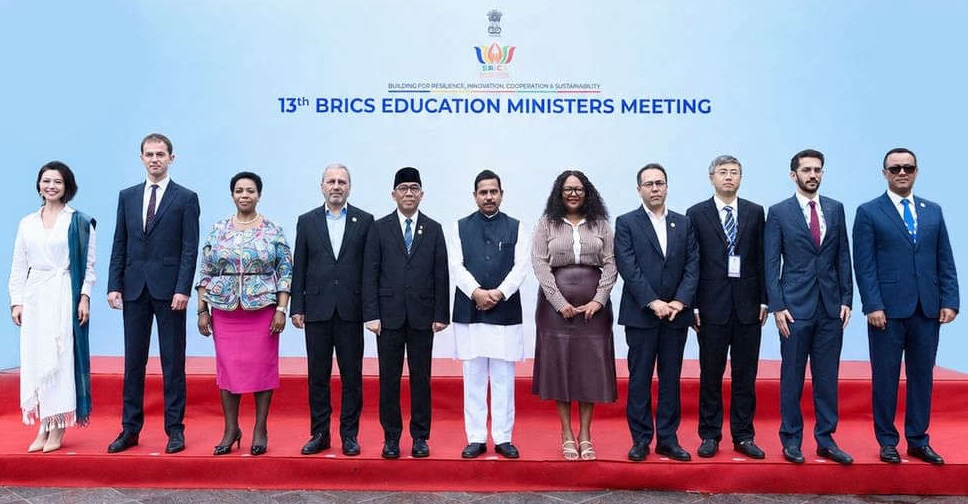 UAE highlights flexible, skills-based education model at BRICS meeting
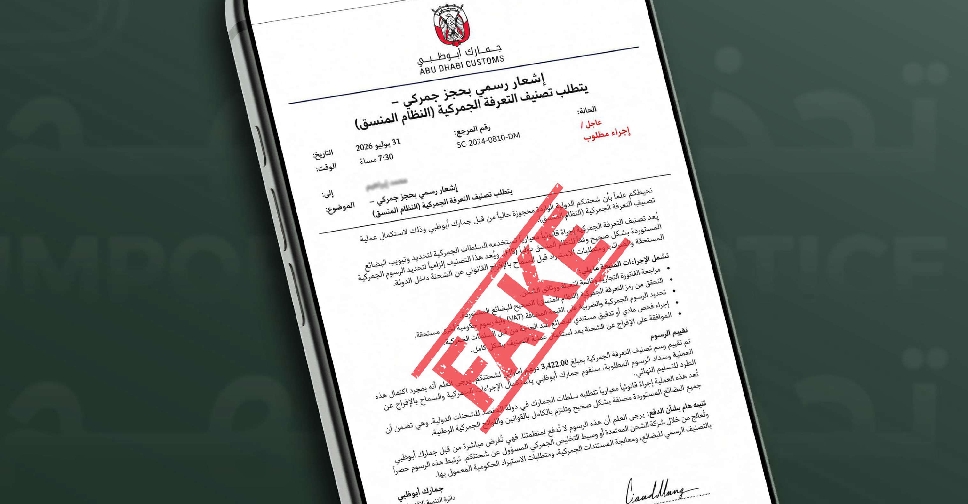 Abu Dhabi Customs raises alert over fraudulent messages
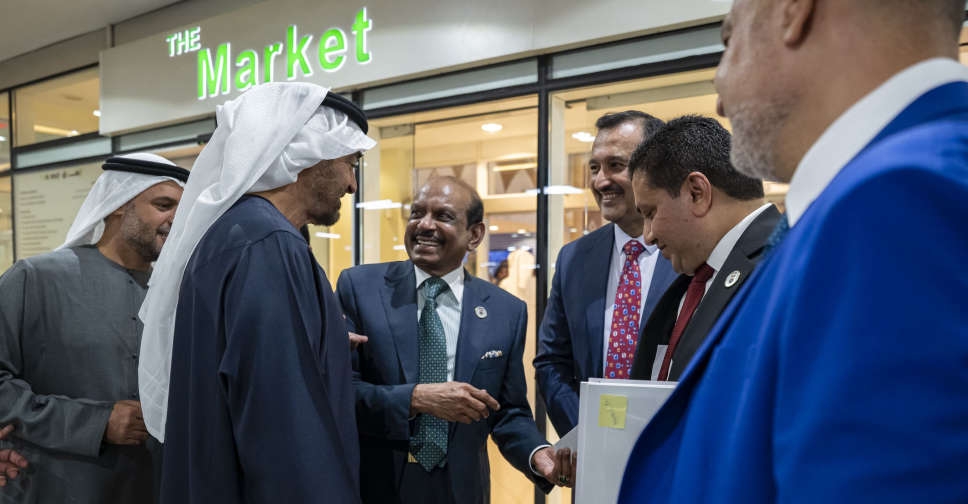 UAE President meets Lulu founder Yusuff Ali during Abu Dhabi store visit
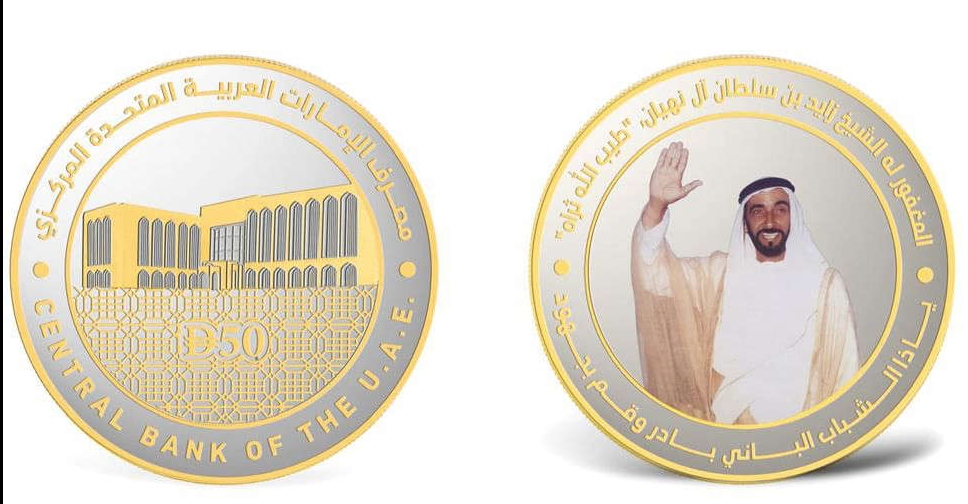 UAE issues special coins to mark contribution of youth in country's progress
 Sharjah Ruler approves 470 scholarships for new academic year
 UAE continues mobile health clinic operations in Gaza
 UAE expands youth empowerment efforts across key sectors
 UAE authorities seize 3.5 million non-compliant excise goods
 Gargash highlights need to end region's 'indefinite' state
 UAE pays out AED512 million under unemployment insurance scheme
 UAE expresses support for Colombia after deadly earthquake
 UAE thwarts cyberattacks targeting aviation, energy and education sectors
 UAE's post-pandemic hiring recovery among world’s strongest
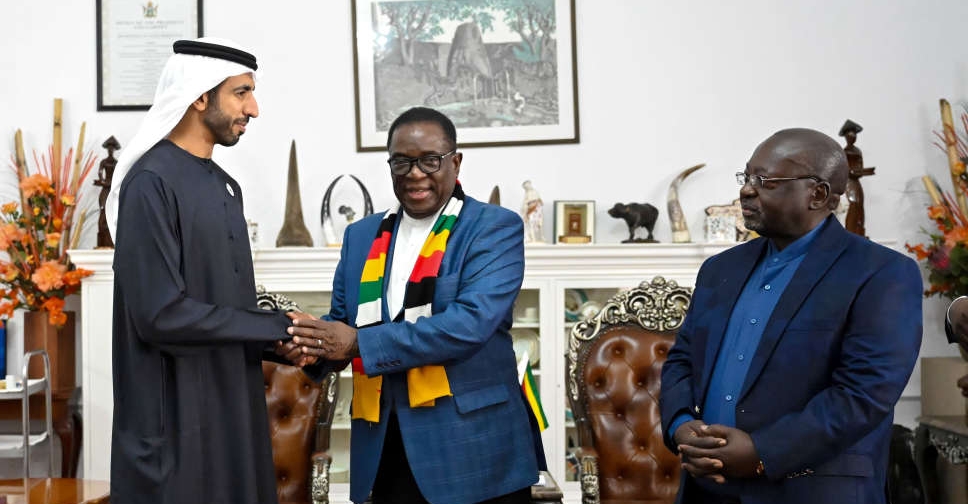 UAE Minister of State holds talks with President of Zimbabwe
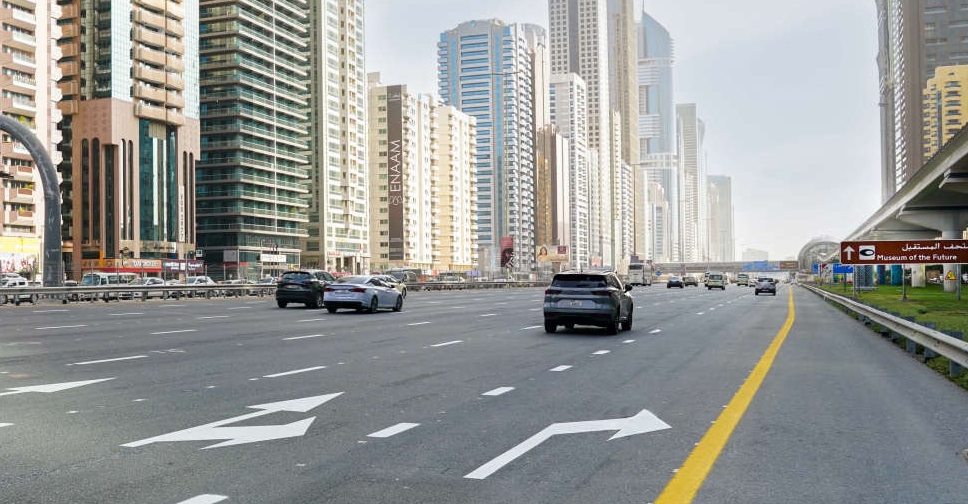 New lane on Sheikh Zayed Road to improve access to WTC intersection
 Nominations for first Dubai-it Award open August 10
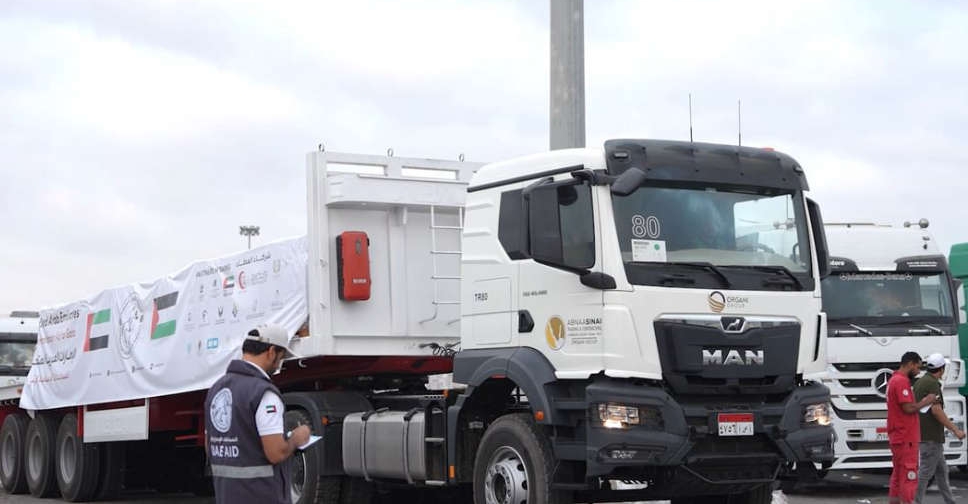 UAE convoys deliver 663 tonnes of aid to Gaza

